NSW businesses will have access to a new battery incentive from 1 September 2026, covering systems ranging from 20 kWh to 30 MWh and offering discounts linked to the size and configuration of the installation.
The NSW Government says the incentive is intended to reduce the upfront cost of battery storage for commercial and industrial operations while helping reduce demand on the electricity grid during peak periods.
Indicative discounts range from about 20 to 30 per cent for businesses installing a battery without new solar, rising to about 30 to 40 per cent where a battery is installed alongside new or additional solar capacity.
The government has estimated that a small business such as a grocery store could receive a discount of around $37,000, while a medium-sized business such as a dairy farm could receive around $355,000. Actual discounts and final installation costs will vary according to factors including the battery selected, installation requirements and the installer.
Larger systems included
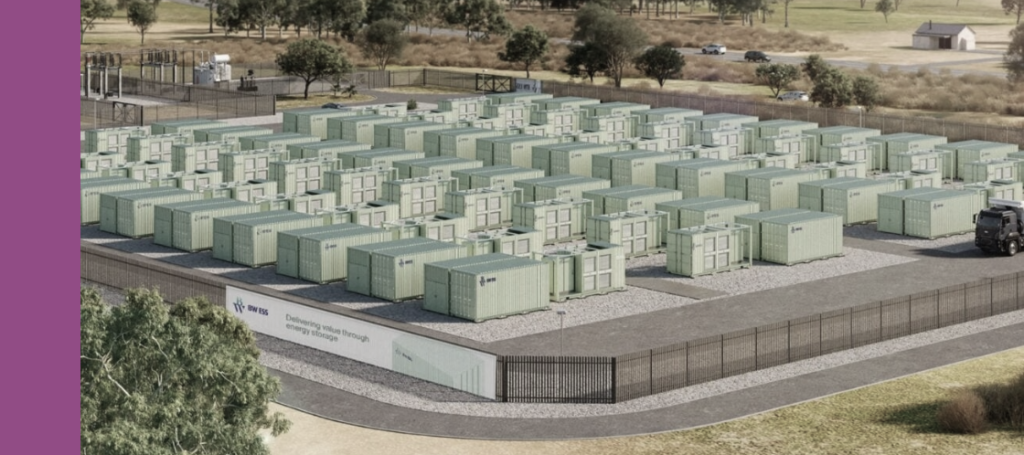
Eligible batteries can range from 20 kWh to 30 MWh, extending the scheme beyond small commercial installations to much larger business energy storage systems.
A battery between 20 and 50 kWh could suit smaller operations such as restaurants or convenience stores, while the upper limit allows much larger commercial and industrial installations to qualify.
Businesses must be connected to the electricity grid and cannot be residential buildings or data centres. They must also not have previously used the incentive to install a battery.
For batteries between 20 kWh and 200 kWh, the equipment must appear on the Clean Energy Council’s approved battery list and be installed by an installer accredited by Solar Accreditation Australia.
Systems between 200 kWh and 30 MWh must meet required fire safety testing standards and be installed by a licensed installer.
Batteries commissioned before 1 September 2026 are not eligible.
Higher discount for solar and storage
Businesses installing new solar capacity with a battery can qualify for the higher level of discount when the two installations occur within 90 days of each other.
Businesses that already have solar can also qualify for the higher discount by adding solar capacity within the same 90-day window. The additional solar must be equivalent to at least 25 per cent of the new battery’s capacity.
Eligible businesses may also be able to combine the NSW battery incentive with Australian Government solar discounts where they meet the requirements of both schemes.
Minister for Climate Change and Energy Penny Sharpe said the changes were intended to extend access to battery storage across businesses and apartment buildings.
“NSW wants more batteries, and these changes will help more people cut their power bills, whether they are running a business or living in an apartment.
“The Minns Labor Government will help businesses unlock major savings through renewable energy, reducing their long-term operating costs, improving competitiveness and supporting jobs across NSW.”
Incentive tied to peak electricity demand
The business battery incentive operates through the NSW Government’s Peak Demand Reduction Scheme, which is legislated to 2050 and does not have a fixed funding pool.
Under the certificate-based scheme, Peak Reduction Certificates can be created for eligible energy upgrades that reduce peak demand. Accredited Certificate Providers work with installers to create and sell the certificates to entities required to purchase them based on their fossil fuel use, with proceeds supporting discounts for eligible upgrades.
Businesses seeking the incentive will need to work with an installer offering the discount through an Accredited Certificate Provider. The discount will usually appear upfront in the installation quote, although larger batteries may involve different financial arrangements.
The government recommends businesses compare quotes because the final price can vary according to installation location, battery model, building requirements and other project costs.
Virtual Power Plant incentive widened
Changes from September will also expand the existing Virtual Power Plant incentive to include batteries up to 50 kWh.
Small businesses and households that connect eligible stored energy to the grid through a Virtual Power Plant could receive an incentive of up to $1,000.
The arrangement allows stored electricity to be supplied to the grid during periods of high demand, complementing the broader battery incentive’s focus on reducing pressure during peak periods.
For Hunter businesses considering solar and storage as part of future energy investment, the inclusion of systems up to 30 MWh means the incentive is not confined to small premises. Commercial and industrial operators can assess eligible battery projects against their own electricity use and installation requirements, with the higher discount available where new or additional solar is installed within the required timeframe.