The Environmental Impact Statement for EnergyCo’s Newcastle Logistics Precinct – Intertrade Project is on public exhibition, opening the proposal to community and industry submissions before it moves to the next stages of the NSW planning process.
The State Infrastructure application covers a proposed logistics facility at 99 Selwyn Street, Mayfield North, on NSW Government-owned land next to the Port of Newcastle lease area.
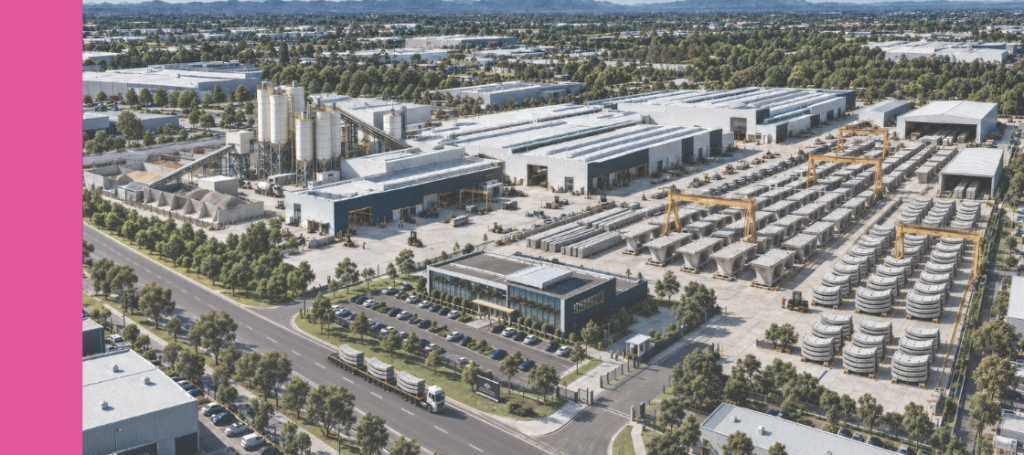
EnergyCo proposes to use the site to unload, store and reload equipment for renewable energy developments, including wind turbine components, transformers, synchronous condensers and battery energy storage system components.
More room for equipment arriving through Newcastle
The proposal is intended to address limited portside storage as increasing volumes of large equipment are brought through Newcastle for renewable energy and transmission projects.
According to the EIS, existing storage within the Port of Newcastle lease area is already heavily used by other industries. The proposed precinct would almost double existing port storage capacity available for equipment used by renewable energy projects and reduce reliance on hardstand near Mayfield 4 Berth.
EnergyCo describes the purpose of the project in the EIS: “The project would almost double the existing port storage capacity for equipment and utilisation by renewable energy projects, and reduce the reliance on the well-used hardstands in the vicinity of the Mayfield 4 Berth.”
The main logistics precinct would provide hardstand for large equipment, while the southern precinct would accommodate additional storage and supporting infrastructure. The existing Roll Shop building would be retained for all-weather storage of smaller components, dangerous goods, mobile heritage items and maintenance equipment.
Equipment arriving at Mayfield 4 Berth would be loaded onto heavy vehicles and moved to the precinct using internal port roads or Selwyn Street. It could then be temporarily stored before being loaded again for transport to renewable energy projects elsewhere in NSW.
Oversized loads to move mainly at night
The facility is proposed to operate 24 hours a day, seven days a week, although the EIS states activity would occur in campaigns determined by component deliveries rather than continuously.
Oversize and overmass loads travelling from the precinct to renewable energy projects are expected to leave between 9pm and 3am, subject to National Heavy Vehicle Regulator requirements. Returning vehicles are expected to travel between 9.30pm and sunrise.
The EIS says construction and operation would produce relatively small increases in traffic on surrounding roads. Oversized vehicle movements would be managed through an approved traffic management plan.
Community engagement undertaken during preparation of the EIS found general support among participants for redevelopment of the former BHP Steelworks site as a port logistics precinct. Concerns raised by some participants included the effect of oversized vehicle movements and construction and operational noise.
Battery storage risks assessed
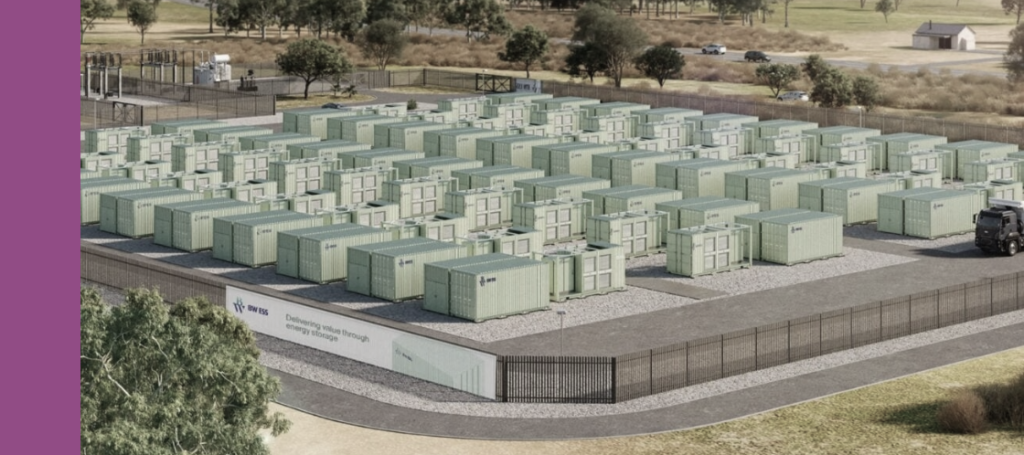
Battery energy storage system components are among the equipment that could be stored at the precinct.
Although dangerous goods and transport screening did not trigger the threshold for a preliminary hazard analysis, one was required under the project’s environmental assessment requirements because the proposed storage of battery components meant the facility was considered potentially hazardous during operation.
The assessment examined two battery thermal runaway scenarios and found the associated risks did not exceed NSW criteria for fatality, injury or off-site property damage.
Operational emergency management measures would be developed in consultation with Fire and Rescue NSW, along with specific arrangements for battery storage.
Former industrial land returned to logistics use
The project would occupy part of the former BHP Steelworks site, which has undergone remediation and retains industrial heritage.
The EIS says heritage-listed buildings would be retained, with construction largely confined to existing pavement, areas without identified heritage value and the site’s remediation capping layer.
EnergyCo states in the EIS: “The continued industrial use of the project site would reinforce the historic character of the former BHP Steelworks and would not constitute an incompatible land use.”
The site contains no native vegetation within the proposed construction footprint, according to the EIS, with vegetation removal limited to planted and exotic vegetation.
Construction proposed from mid-2027
Subject to planning approval, construction is expected to begin in mid-2027 and take about 12 months, with initial operations planned for 2028. The construction workforce is expected to reach up to 110 full-time equivalent positions at its peak, while the operating precinct would have about 45 full-time equivalent workers.
The EIS identifies local employment and procurement opportunities during construction as modest. It states that procurement arrangements would incorporate local employment and business participation requirements in accordance with NSW Government policies, including participation by First Nations businesses.
Public submissions open until 26 August
The project has been declared State infrastructure and requires approval from the NSW Minister for Planning and Public Spaces.
The EIS and accompanying documents are on public exhibition from 30 July until 26 August 2026. Individuals, businesses and organisations can lodge submissions through the NSW Planning Portal before the exhibition period closes.
Following exhibition, EnergyCo will review the submissions and respond to issues raised through a Submissions Report and, if required, an Amendment Report. The design and construction methodology may also be refined as the environmental assessment continues.