The NSW Government has used its 2026–27 Budget to combine near term support for employers with investments aimed at expanding manufacturing, energy infrastructure, workforce skills and transport networks.
Among the measures directed at business are workers compensation reforms that include a two year premium freeze, funding for a new small business advisory service, support for faster project approvals and the establishment of a Local Jobs First Commission intended to increase access to government procurement opportunities.
The budget also continues support for the state’s energy transition, with funding directed toward Renewable Energy Zones, transmission infrastructure, energy efficiency programs and domestic manufacturing linked to low carbon industries.
Manufacturing and procurement receive funding boost
A major focus of the budget is support for industries expected to play a larger role in the state’s economy over coming decades.
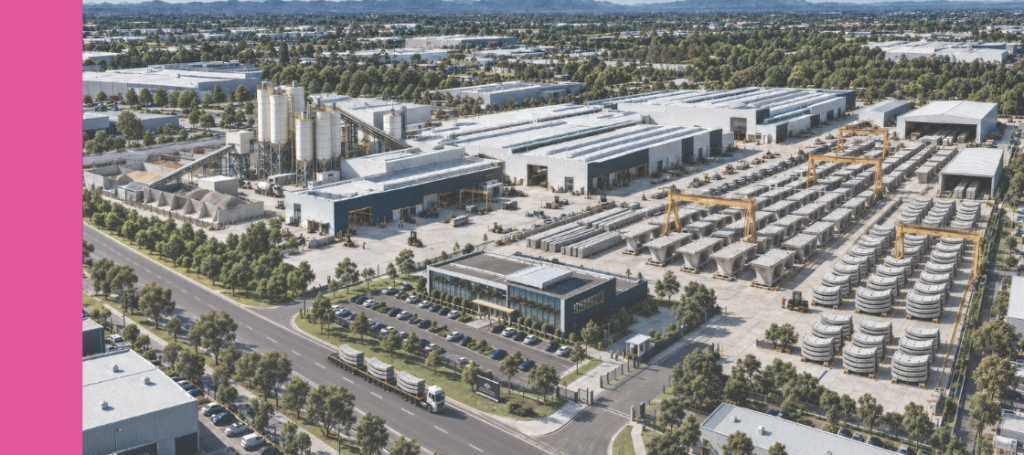
The government has allocated $225 million to support manufacturing of products and materials required by emerging low carbon industries. Funding is also directed toward strengthening domestic production of renewable energy, storage and transmission components.
The budget provides $6.4 million for a new Local Jobs First Commission, which will support efforts to increase participation by local businesses and workers in government procurement.
The commission is intended to improve access for small and medium enterprises to government contracts worth around $40 billion annually.
The government will also invest $6.5 billion over ten years through its New Electric Bus program. The funding will support the purchase of new electric buses and construction of associated depot infrastructure while providing longer term demand certainty for local manufacturing.
Energy infrastructure remains central to investment plans
Energy and related infrastructure feature prominently throughout the budget.
The government says the Electricity Infrastructure Roadmap is expected to support up to $77 billion in private investment across NSW while supporting construction and operational jobs in regional communities.
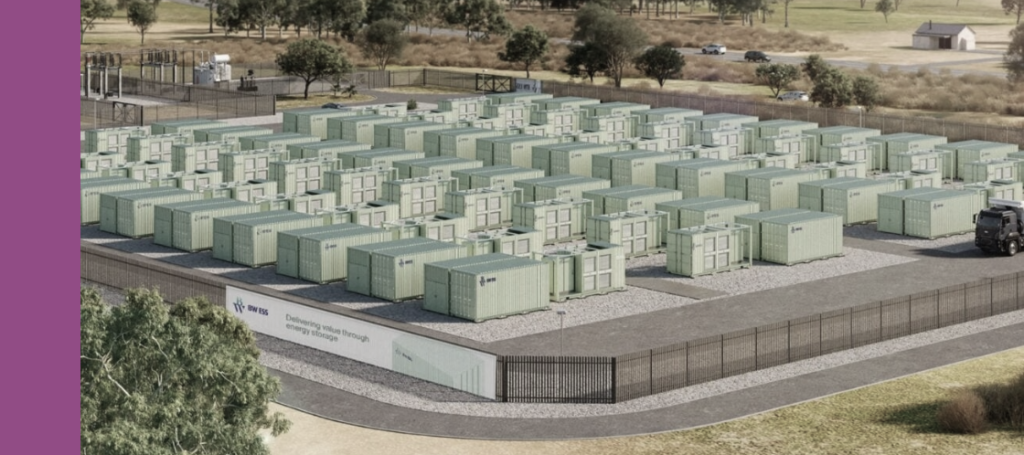
A further $2.1 billion continues funding through the Transmission Acceleration Facility, including $224.8 million for transmission infrastructure intended to support an additional 2.5 gigawatts of network capacity by 2029.
The budget also includes $291.4 million for regional road upgrades linked to Renewable Energy Zones, helping transport large equipment required for energy projects.
Funding has also been allocated to the Port of Newcastle Logistics Precinct, building on the state’s existing commitment to expand industrial and logistics capacity associated with renewable energy supply chains.
For households and small businesses, the government is continuing support for energy saving technologies through the Home Energy Saver program, which includes interest free loans and discounts for eligible upgrades.
Skills and workforce development
The budget includes $31.9 million, jointly funded with the Australian Government, to continue work on three TAFE Manufacturing Centres of Excellence.
Additional investment is being directed toward vocational training, apprenticeships and traineeships, including support for travel and accommodation costs incurred by apprentices undertaking training away from home.
The government said these measures are intended to help meet workforce demand in sectors including manufacturing, construction and energy.
Economic outlook shapes budget settings in the Hunter
Business Hunter has highlighted that economic conditions in the Hunter region are expected to remain challenging over the coming year, with cost pressures, workforce shortages and uncertainty around energy transition continuing to affect local businesses.
The organisation noted that while the NSW Budget includes significant investment in infrastructure, manufacturing and energy projects, the pace at which these translate into tangible opportunities for Hunter businesses will be critical.
Business Hunter has emphasised the importance of ensuring regional businesses can access procurement opportunities linked to major projects, particularly in sectors such as renewable energy, defence and advanced manufacturing.
The group also pointed to ongoing concerns around rising operating costs, including insurance, energy and regulatory compliance, which continue to weigh on business confidence across the region.
With major projects in the pipeline and the Hunter positioned as a key hub for energy transition and industrial development, Business Hunter said the focus must remain on supporting local supply chains, building workforce capability and ensuring that regional businesses are well placed to participate in future growth opportunities.