Regional NSW is set to play a key role in the state’s clean energy transition following the release on Friday of the NSW Government’s Renewable Fuel Strategy, which aims to expand the production and use of low-carbon fuels across the state.
The Strategy includes up to $170 million in funding and 20 key actions to scale up renewable fuel industries. It targets sectors that are difficult to electrify — such as mining, manufacturing, heavy transport and aviation — that are often based in regional areas and provide major employment.
Minister for Climate Change and Energy Penny Sharpe said the plan will help regional communities take part in the state’s energy transition while building new industries and jobs.
“This is a win-win-win opportunity: a win for jobs, a win for fuel security and a win for the planet,” Sharpe said.
She added that the Minns Government is focused on growing local production to diversify the economy and create a reliable, long-term fuel supply.
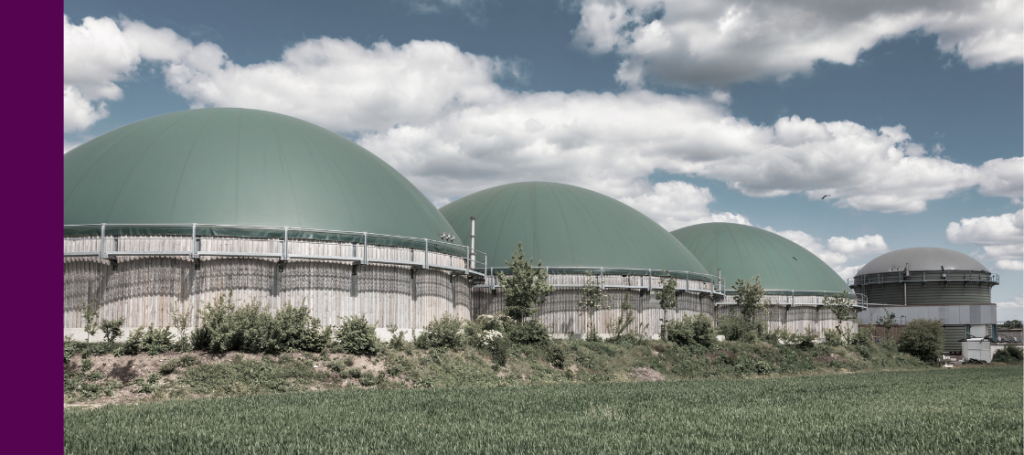
The Strategy expands the Renewable Fuel Scheme to include biomethane, and introduces programs to support GreenPower certification for renewable fuels and co-products. It will also fund research into crop development and biomass production in partnership with farmers and regional research bodies. These trials aim to identify new income streams for landholders while supporting a local feedstock supply for renewable fuel production.
Further funding will include $130 million through the Net Zero Manufacturing Initiative to support large-scale renewable fuel projects using emerging technologies, $40 million for biomethane production, and $1.5 million for innovation and capability-building research.
The Australian Hydrogen Council (AHC) welcomed the Strategy’s focus on coordination and shared infrastructure, saying hydrogen will be a key enabler of future renewable fuels such as ammonia, methanol and sustainable aviation fuel.
“Hydrogen is the molecule that can enable many renewable fuels, from ammonia and methanol, through to sustainable aviation fuel,” said AHC CEO Dr Fiona Simon. “This calls for greater collaboration across supply chains to ensure hydrogen molecules are available for when they are needed – whether that be as feedstock or in industrial processes.”
For regional NSW, where many of the state’s manufacturing, mining and freight industries are based, the plan is expected to open opportunities for local production, research partnerships and infrastructure investment. Communities already exploring hydrogen, biomethane and recycling ventures — from the Hunter and Central West to the Riverina — are well positioned to attract future projects under the Strategy.