The Federal Government has released the final design of the $5 billion Net Zero Fund, setting out how it will operate within the National Reconstruction Fund to support industrial decarbonisation. While the scale of the fund was announced last year as part of the Industry Sector Plan, the newly released design explains the financing structure, eligibility settings and delivery arrangements following industry consultation.
The Net Zero Fund is intended to support the Government’s Net Zero Plans, including the Industry Sector Plan, which outlines how emissions can be reduced across industry and waste while maintaining competitiveness and jobs.
How the fund will be delivered
As a sub-fund of the National Reconstruction Fund, the Net Zero Fund will draw from the NRF’s existing $15 billion allocation. This replaces the earlier target funding level of up to $3 billion that applied to the renewables and low emissions technologies priority area.
Delivery of the fund will sit with the National Reconstruction Fund Corporation, which has the capacity to invest through debt and equity and to provide guarantees. The Government has confirmed the Net Zero Fund will be implemented by mid-2026.
Concessional finance settings
The final design confirms the Net Zero Fund will operate on more concessional terms than the NRF Corporation’s general investment portfolio. The fund will target a rate of return set at the five-year Australian Government bond rate minus one per cent. By comparison, the NRF Corporation’s broader portfolio targets a return of the five-year bond rate plus two to three per cent.
The Government says this lower return setting allows the fund to take on more risk than commercial finance and support projects that help reduce industrial emissions and improve energy efficiency.
Focus on large-scale industrial decarbonisation
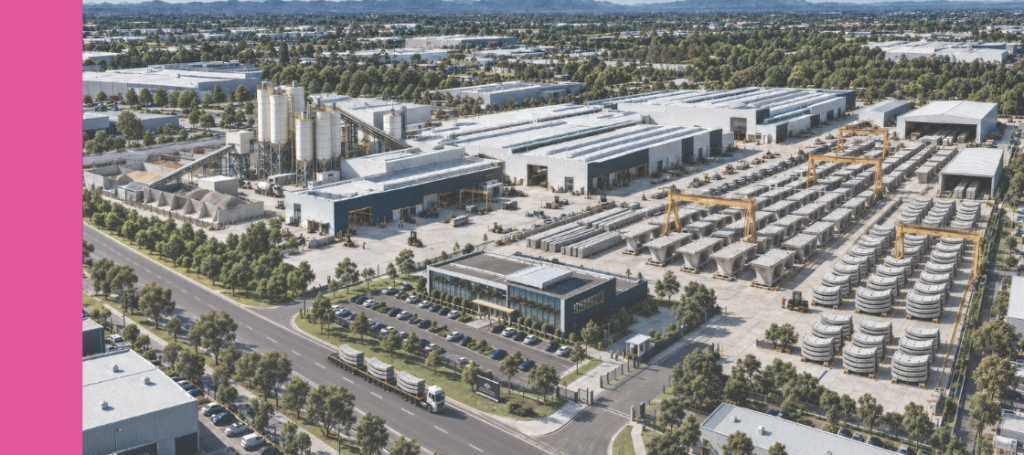
The Net Zero Fund will deliver targeted investments to support the transition to less carbon-intensive manufacturing and production processes. It will focus on large-scale industrial facilities seeking to decarbonise, improve energy efficiency and transition to net zero, particularly in subsectors identified in the Industry Sector Plan as facing the greatest emissions challenge or economic impact from the transition.
Minister for Climate Change and Energy Chris Bowen said, “This is about getting energy costs down for Australian industry. By lowering the cost of finance for clean energy upgrades, the Net Zero Fund helps big energy users invest sooner, use energy more efficiently and reduce the risks of volatile fossil fuel prices.”
Supporting domestic manufacturing capability
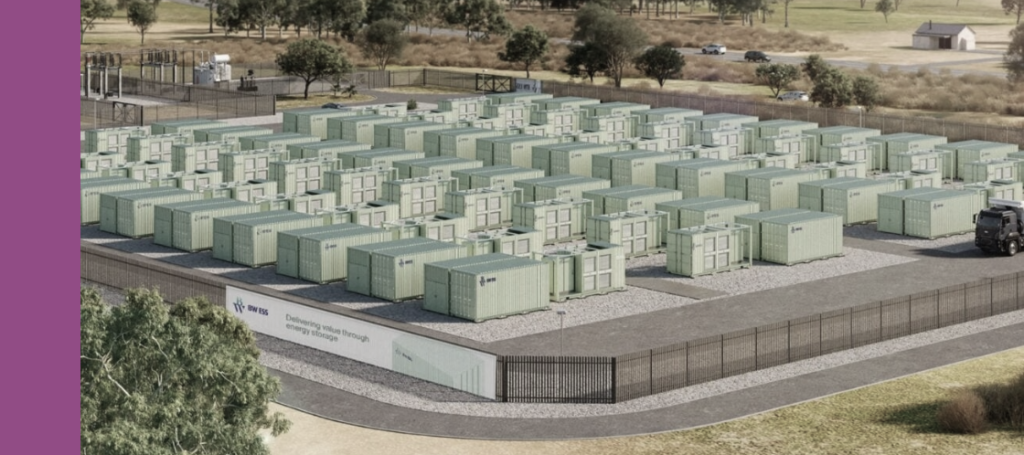
Alongside emissions reduction at existing facilities, the Net Zero Fund will support the scaling up of domestic manufacturing of renewable and low emissions technologies. Eligibility may include advanced manufacturing projects and businesses involved in manufacturing products used in renewable energy generation, transmission, distribution or storage, as well as energy efficiency, recycling and waste reduction.
Examples include manufacturing components for wind turbines, batteries, solar panels and hydrogen electrolysers. Eligibility for debt, equity and guarantee opportunities will apply to proposals that are solely or mainly Australian-based and aligned with a priority area.
Consultation shapes final design
The final design follows an online consultation process that received more than 120 written submissions from industrial manufacturing and energy sector organisations, unions, researchers, think tanks and representative bodies. The Minister also led an industry forum attended by more than 60 executive-level representatives.
Consultation feedback showed strong support for initiatives targeting large-scale industrial decarbonisation, particularly in hard-to-abate sectors and advanced manufacturing, and sought industry input on project types, capital expenditure, financing mechanisms and how the fund would work alongside established financing vehicles.
Minister for Industry and Innovation and Minister for Science Tim Ayres said, “Globally competitive financing from the NRF’s Net Zero Fund will make sure public investment in decarbonisation crowds in billions of dollars in private capital and drives down industrial energy costs and emissions, while supporting new manufacturing jobs in the regions.”