A united delegation of ten Hunter mayors is taking a clear message to NSW Parliament this week: the region needs coordinated state and federal support to manage the shift away from coal, repurpose mine lands, and create new opportunities in manufacturing and energy.
Led by Hunter Joint Organisation (JO) Chair and Singleton Mayor Sue Moore and Deputy Chair and Port Stephens Mayor Leah Anderson, the mayors are meeting with the NSW Premier, Treasurer, and senior ministers to discuss post-mining land use, regional jobs, and essential infrastructure.
Transition and Economic Renewal
With two coal mines due to close by 2030 and another 22 scheduled for closure in the coming decades, the Hunter JO says the region’s $91 billion economy needs urgent and coordinated action to diversify. Its main proposal is the Hunter Region Deal — a Tri-Government Agreement aimed at creating 50,000 new jobs to offset losses from the global decline in coal.
Muswellbrook Mayor Jeffrey Drayton said, “Muswellbrook and the Hunter have a legacy of powering the country and powering the economy. We need to lock in that legacy and make it the future. A Hunter Region Deal, if it’s done right, could deliver our region the benefits of similar agreements like the Western Sydney City Deal.”
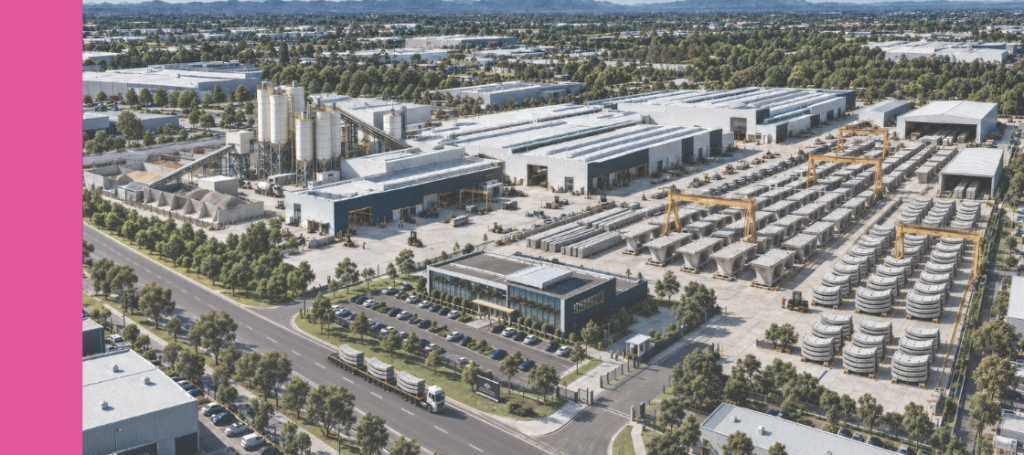
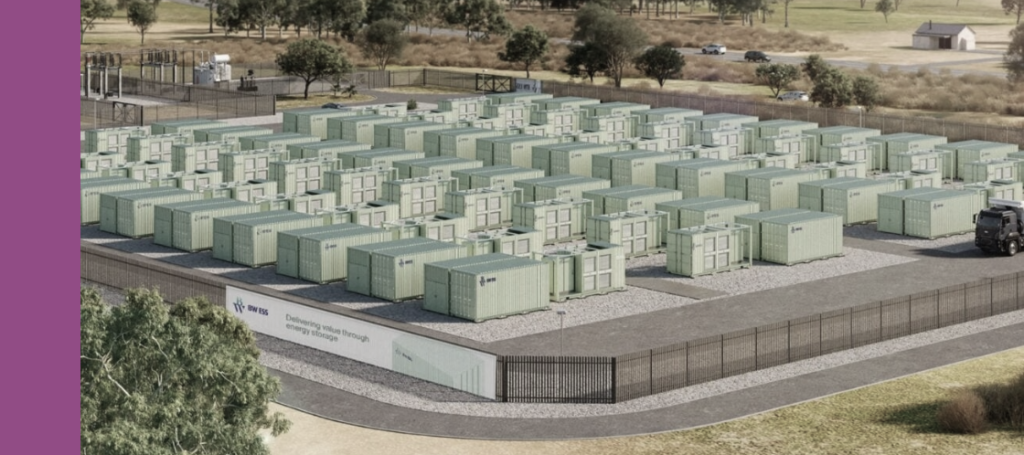
The proposed deal would support new industries including renewable energy, advanced manufacturing, and clean technology, and help attract long-term business investment across the region.
Post-Mining Land Use
The Hunter’s mayors say there is strong local ambition to repurpose mine sites into new employment precincts, but a lack of governance clarity and funding has delayed progress. While the NSW Government has accepted all recommendations of the Post-Mining Land Use Inquiry, councils say they need clear delivery mechanisms to act.
Singleton Mayor Sue Moore said, “The closure of just one mine recently has already shaken our communities. We’re speaking to the NSW Treasurer, the Hon Daniel Mookhey, on the need for urgent funding and coordinated delivery by the NSW Government so we can repurpose mining land for new industries that will keep our communities in work.”
Enabling Industry and Infrastructure
The delegation’s agenda also includes infrastructure investment to unlock industrial and residential land, including upgrades to roads, water, and sewer systems. Councils estimate that $938 million in state funding could unlock 61,000 new homes across the Hunter, while also supporting nearby industrial growth areas.
Freight and Manufacturing Opportunities
With the completion of Newcastle Airport’s $250 million terminal upgrade, the Hunter is pushing for the next step — development of a dedicated airfreight precinct. The mayors argue that without this, around $500 million in NSW exports will continue to flow interstate each year.
Port Stephens Mayor Leah Anderson said the region was ready to capitalise on recent investment. “With the support of the State and Federal Government, we have now delivered a brand-new international terminal. We see our next opportunity to benefit the entire region would be to deliver an air freight precinct.”
The proposed $49 million cargo facility, along with $3.85 million for a coordinated Hunter tourism strategy, is aimed at boosting manufacturing exports and attracting new trade routes to the region.
Roads, Resilience, and Local Government
The mayors will also raise long-term road funding needs. Hunter councils manage over 126,000 kilometres of local roads — far more than metropolitan areas — yet receive limited funding support. The Hunter JO is calling for recurrent investment, fairer funding formulas, and reclassification of major regional routes as state roads.
They are also seeking ongoing funding for disaster resilience to support planning and recovery, rather than one-off grants.
A Collaborative Approach
Moore said the delegation represents the shared priorities of one of Australia’s most diverse and economically important regions. “The Hunter is home to a population approaching one million people and an economy worth $91 billion. Our councils are on the frontline of housing growth, climate impacts, and the transformation away from coal. We are heading to Sydney to press the case for urgent and coordinated action to support our region’s communities, jobs and industries.”
Anderson added that unity is the Hunter JO’s strength. “The ten councils of the Hunter are working together with one voice. By partnering with the NSW and Federal Governments, we can deliver practical solutions that will strengthen our communities and ensure the Hunter remains one of the most prosperous and liveable regions in Australia.”
About the Hunter Joint Organisation
The Hunter Joint Organisation brings together ten councils — Cessnock, Dungog, Lake Macquarie, MidCoast, Maitland, Muswellbrook, Newcastle, Port Stephens, Singleton, and Upper Hunter — to advocate for shared regional priorities.
The organisation has a statutory role to identify key regional priorities and build collaborations with government, industry, and community partners. The councils have a history of working together for almost 70 years to represent the needs of the region’s communities and industries.