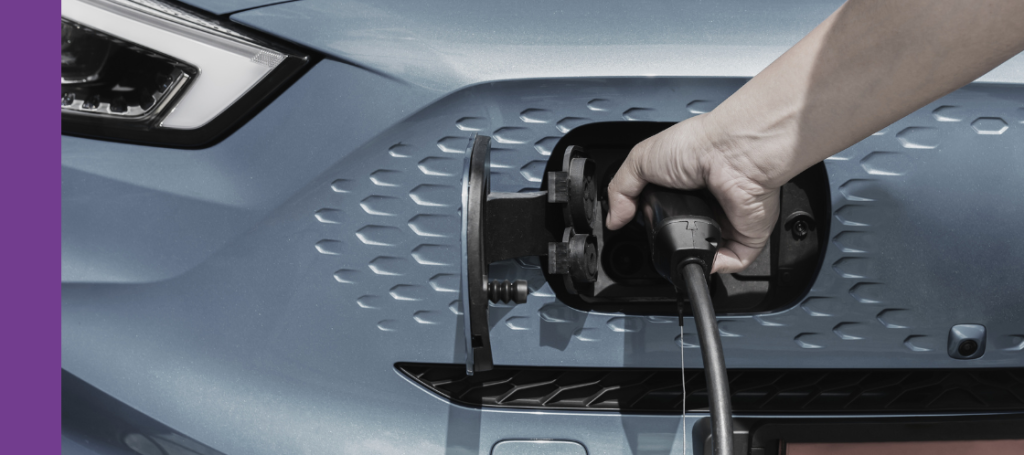
AGL has launched a residential vehicle-to-grid (V2G) trial, working with electric vehicle manufacturers Hyundai, Kia, BYD and Zeekr to give customers confidence their battery warranties will not be affected.
The trial is the first in Australia to involve direct agreements with carmakers on warranty protection. It reflects a growing interest in how the country’s 300,000-plus EVs could be used as energy storage, helping reduce household bills and support the grid as renewable energy grows.
The project will run in two phases, with up to 100 participants in total. In the first stage, AGL will provide a discounted bi-directional charger and installation for 50 eligible households. Participants will be able to charge when electricity prices are low and use stored energy to power their homes or export surplus back to the grid during peak demand, earning credits on their bills. A second phase will enable customers with their own approved V2G charger to join.
AGL Head of Innovation and Strategy Renae Gasmier said: “To unlock the full potential of their electric vehicles, owners need to think about them as more than cars, but rather as home batteries on wheels. The typical electric car battery can store enough energy to power the average home for around three days.”
AGL’s V2G platform manages charging and discharging automatically, with settings designed to ensure the car remains charged and ready for use. Gasmier said the program will help shape a wider rollout planned for 2026: “The learnings from this trial will allow us to use feedback from participants to roll out a V2G proposition for AGL’s customers with EVs in 2026.”
The trial has backing from all major National Electricity Market distribution network service providers and several EV supply equipment suppliers, creating a collaborative framework for testing the technology.
The trial presents an opportunity to examine customer behaviour, network response, and the commercial models that may underpin wider adoption. With cars able to store multiple times the energy of a typical home battery, the potential scale of V2G as a distributed energy resource is substantial.