City of Newcastle has adopted its Climate Action Plan 2026–2030, establishing a roadmap of 77 actions designed to address the causes of climate change while targeting net zero emissions across council operations by 2030.
The plan was endorsed by councillors following public exhibition and consultation, with climate considerations set to be incorporated across City of Newcastle operations. This includes maintaining a 100 per cent renewable electricity supply, expanding battery storage capacity and transitioning fleet vehicles, plant and equipment to electric or lower-emission alternatives.
City of Newcastle Executive Manager Environment and Sustainability Marnie Kikken said the plan provides a pathway not only for council operations but also for the broader city.
“The plan not only outlines City of Newcastle’s pathway to net zero emissions by 2030, but also supports a Newcastle wide transition to net zero by 2040, in alignment with the goals of the Paris Agreement.”
Investment plan built around emissions reduction
The adopted plan estimates an additional $42 million will be required over the next five years to achieve net zero emissions across council operations.
Ms Kikken said City of Newcastle intends to pursue external funding sources to meet part of that cost.
“To achieve net zero emissions in our operations, we’ll need to invest an additional $42 million over the next five years,” Ms Kikken said.
The council will seek at least half of that funding through state and federal grants, commercial partnerships and other funding mechanisms.
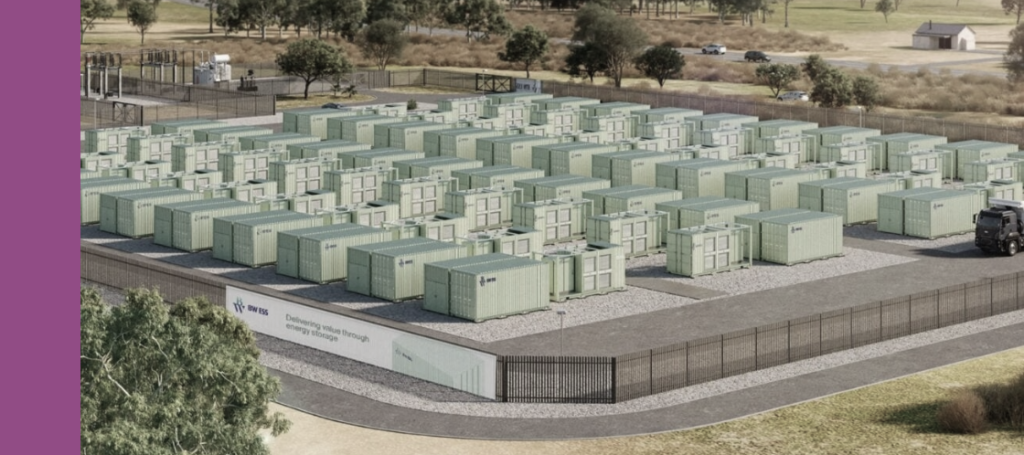
The plan notes that City of Newcastle has already secured $5 million from the Australian Renewable Energy Agency for a battery deployment program. This includes a 10MWh battery at the Summerhill solar farm and a further 3.8MWh of battery storage spread across 11 facilities.
If all actions in the plan are delivered, City of Newcastle estimates annual returns of between $3.5 million and $4 million from 2030 through revenue generated by a proposed Community Energy Precinct, savings linked to solar and battery systems, lower fuel costs and the replacement of gas-powered systems with electric alternatives.
Consultation influences final plan
The Climate Action Plan was informed by economic modelling, scientific research, cost-benefit analysis and community consultation.
A total of 239 submissions were received during the public exhibition period. According to City of Newcastle, almost 80 per cent of respondents agreed that climate action should be a high priority, while 83 per cent supported nature-based measures such as urban greening, tree planting and ecosystem restoration.
More than 70 per cent of respondents also supported the science-based targets contained within the plan.
Ms Kikken said community feedback resulted in changes to the final document to improve confidence that the plan can be delivered.
Former landfill site gains support for energy future
One of the projects attracting community interest is the proposed Community Energy Precinct at the Astra Street landfill site in Sandgate.
City of Newcastle is currently undertaking a feasibility study for the precinct, which would bring together renewable energy generation, electric vehicle infrastructure and the reuse of previously developed land.
The 60-hectare site operated as a landfill between 1974 and 1995 before undergoing environmental remediation aimed at protecting nearby wetlands, improving biodiversity and supporting native vegetation growth.
According to the consultation findings, the proposed precinct resonated with residents because it combines renewable energy infrastructure with the productive reuse of underutilised land.
As battery storage projects progress and investigations continue at Astra Street, the adopted plan provides a framework for future investment decisions while creating opportunities for technology providers, construction firms, energy developers and other businesses involved in the transition to lower-emission infrastructure.