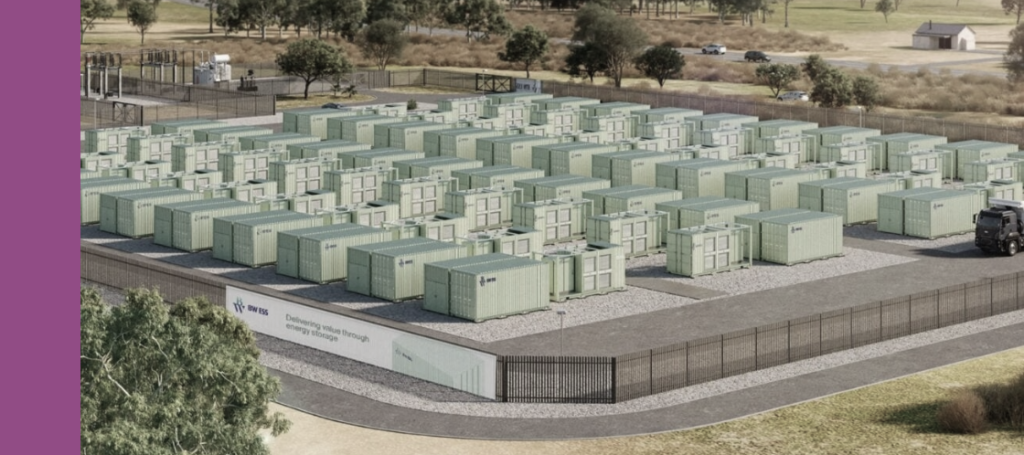
The NSW Independent Planning Commission has approved the Steel River East Battery Energy Storage System (BESS), a 200 megawatt / 400 megawatt-hour project proposed by Ausgrid for Mayfield West in Newcastle.
The project will be located within the existing 132 kV Mayfield West zone substation at 1 McIntosh Drive, placing the battery directly inside established electricity network infrastructure rather than requiring a new standalone site.
The Commission determined the State significant development after the proposal received more than 50 public objections during the assessment process. As part of its review, the Commission met with Newcastle City Council, the Department of Planning, Housing and Infrastructure (DPHI) and Ausgrid, carried out a site inspection, and considered written submissions from the public.
Role in the Hunter’s evolving energy system
The Steel River East BESS sits within the Hunter and Central Coast Renewable Energy Zone (REZ) and is intended to support the shift toward renewable generation by storing electricity during periods of low demand and releasing it when demand increases.
In its Statement of Reasons for Decision, the Commission stated the project “would contribute positively to the State’s transition to a lower-carbon energy system and deliver benefits to the State’s electricity network by enhancing grid reliability and supporting the integration of renewable energy sources.”
The Commission also found the project aligns with State policies aimed at increasing renewable energy deployment and maintaining a stable electricity supply.
How the battery will operate
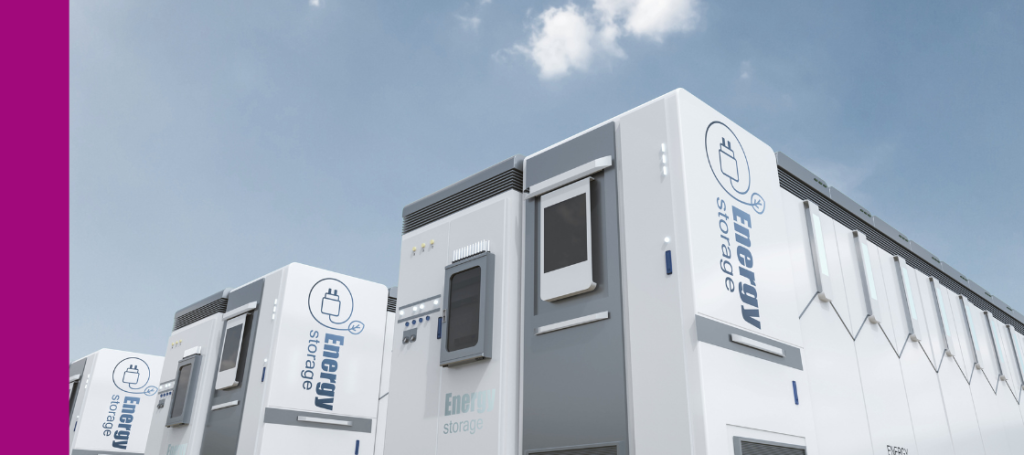
A battery energy storage system is made up of large rechargeable battery units connected to operate as a single system. It stores excess electricity when supply is high and releases it back into the grid when demand rises.
The Steel River East system will store up to 400 megawatt-hours of energy, which Ausgrid states is enough to power up to 27,000 households for a day.
Ausgrid has indicated that energy storage will play a growing role in managing variability from solar and wind generation, noting that storage is required to maintain supply when generation conditions change.
Infrastructure reuse and network integration
Locating the BESS within an existing substation reflects a broader approach of integrating storage directly into the current network. This reduces the need for new transmission infrastructure and limits additional land use.
Ausgrid states that connecting batteries to existing substations can reduce impacts on surrounding communities and avoid the need for new large-scale transmission and distribution lines, which can influence overall project costs.
The project will be built and operated by a third party once development proceeds.
Storage demand and system reliability
The approval comes as demand for energy storage continues to increase across New South Wales. Ausgrid has stated that the state requires substantially more storage capacity before 2030 to maintain reliability as renewable generation expands.
Projects such as Steel River East are designed to support this shift by improving grid stability, enabling more renewable energy to be connected, and helping manage electricity supply during peak periods.
The Commission concluded the development is consistent with the broader direction of the state’s electricity system, with its findings noting it would “deliver benefits to the State’s electricity network by enhancing grid reliability and supporting the integration of renewable energy sources.”