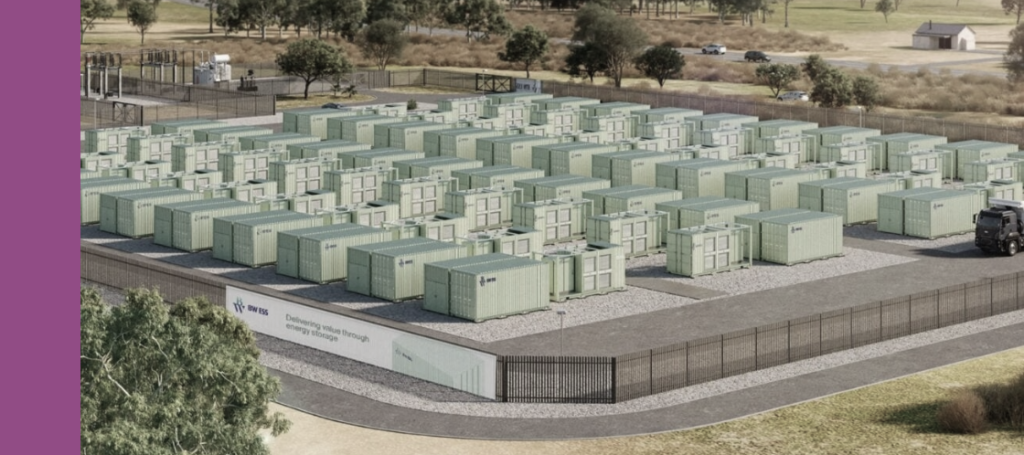
Residential electricity prices are expected to fall by about five per cent over the next five years, but could rise by 13 per cent between 2030 and 2035 if new renewable generation and storage projects are not built quickly enough, according to the Australian Energy Market Commission’s (AEMC) newly released 2025 Residential Electricity Price Trends report.
About the report
The Residential Electricity Price Trends report provides a 10-year outlook for household electricity prices and energy costs across the National Electricity Market, based on AEMO’s 2025 demand projections. It uses current data and assumptions to model likely trends, rather than forecast actual prices.
The independent report, which aligns with the Australian Energy Market Operator’s Integrated System Plan, found that faster delivery of renewable and battery projects will be key to keeping household prices affordable through the energy transition.
AEMC Chair Anna Collyer said there is a clear connection between the pace of renewable rollout and electricity costs.
“Our price outlook highlights a critical five-year window: residential electricity prices are projected to fall through 2030 as renewable generation and batteries ramp up, but then rise through 2035 if the pace of new investment doesn’t keep ahead of growing electricity demand and planned coal retirement.”
The report describes the challenge as one of timing rather than cost, noting that renewable energy and batteries are already driving down prices where they are deployed.
Scenarios show risk of delays to renewables and transmission
The AEMC’s scenario analysis found that delays to wind and transmission projects could push annual household electricity prices up by as much as 20 per cent. Poor coordination of distributed energy resources — such as solar and battery systems — could add up to 13 per cent to costs.
By contrast, faster renewable and transmission delivery could reduce prices by up to 10 per cent.
Extending the life of ageing coal-fired plants was found to pose added price risks, with higher outage rates potentially lifting prices by about five per cent.
Electrification offers household savings
The report found that switching from gas and petrol to electricity can deliver strong long-term savings for households. The AEMC’s analysis shows that households that fully electrify could reduce total energy costs by up to 90 per cent, typically paying back upfront investments within four years.
Savings identified include:
- Around 40 per cent lower running costs for electric vehicles, or about $1,400 per year.
- Around 60 per cent lower heating and cooking costs from replacing gas appliances, saving about $1,400 annually for homes that use gas only.
- Around $1,000–$1,200 a year in savings from rooftop solar panels, and a further $600–$900 when paired with a home battery.
Coordinating home energy use and batteries
Beyond large-scale renewables, the AEMC identified a growing role for home batteries and smart management of energy use. Charging electric vehicles during the day, for example, or discharging batteries during the evening peak, can lower household and system costs.
“Poor coordination could add to household electricity costs,” Ms Collyer said, noting that new rule changes are aimed at making it easier for consumers to benefit from smart energy use.
Policy priorities and regional trends
The AEMC set out three areas for policy focus to support an affordable and equitable transition:
- Accelerate renewable and transmission development by improving planning, approvals, and project coordination.
- Encourage coordinated use of consumer energy resources such as home batteries and electric vehicles.
- Enable households to electrify by addressing upfront costs and access barriers, particularly for renters and apartment dwellers.
For New South Wales and the ACT — including the Hunter region — electricity prices are projected to remain stable or decline slightly to 2035, with average annual price changes of -0.6 per cent and +1.2 per cent respectively.
Households in NSW that electrify could see total energy cost reductions of 16–21 per cent, compared with smaller savings in Queensland and Tasmania where gas use is lower.