The NSW Government will run a new tender later this year to secure 500 MW of firm energy capacity, with a focus on projects that can reliably support the Sydney, Newcastle and Wollongong regions during peak demand periods.
Energy and Climate Change Minister Penny Sharpe explained the new capacity is needed to manage forecast shortfalls in firm supply expected by summer 2027–28.
“This tender will provide greater certainty against future reliability risks. We are proactively managing the risks associated with delivering multiple large-scale infrastructure projects at once, as we rebuild our energy system,” Sharpe said.
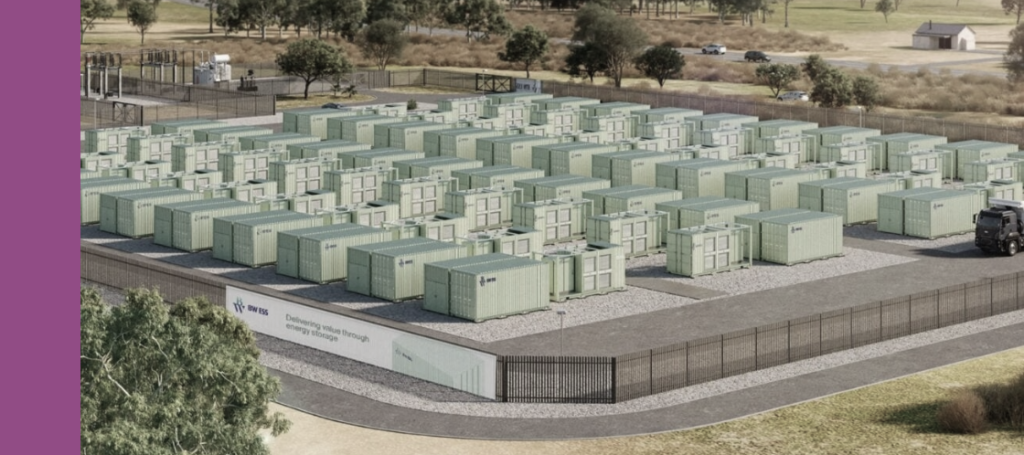
The tender, to be conducted by ASL (formerly AEMO Services), will call for bids from projects that can deliver fast-response energy capacity. This could include large-scale batteries, gas generation or virtual power plants that can either dispatch electricity quickly or reduce demand at short notice.
Projects supported through the process will be capable of powering about 200,000 homes during periods of peak usage. Newcastle is among the locations expected to benefit, with priority given to proposals that can meet the needs of urban and industrial centres forecast to experience the most pressure on supply.
The successful projects will join other firming developments supported under the state’s first firming tender in 2023, including AGL’s Liddell battery and Akaysha Energy’s Orana battery.
ASL Chief Executive Officer Nevenka Codevelle said, “The announcement of this tender for firming infrastructure demonstrates the flexibility and adaptability of the NSW Electricity Infrastructure Roadmap in bringing forward additional energy capacity in response to an identified need.”
“Firming infrastructure plays a crucial role in supporting the reliability of the NSW electricity system.”
The Clean Energy Council also welcomed the move, saying it would attract more investment in storage infrastructure across the state. General Manager for Advocacy and Investment Anna Freeman said that clean energy firming technologies, such as large-scale battery systems, are essential to maintain grid stability as coal generation is phased out.
The tender is expected to open later in 2025, with decisions to be made on which projects will proceed by the following year.