A new report from the Climate Council, called Pedal to the Metal: A Budget to Break Free from Fuel Chaos, links recent global conflict to rising energy costs in Australia, with flow-on impacts for households, transport and essential goods.
As tensions involving Iran have disrupted international energy markets, petrol prices have risen by almost 50 per cent and diesel by more than 70 per cent. The report finds these increases added more than $1 billion to motorists’ fuel costs in March alone.
With Australia importing around 90 per cent of its refined fuels, the analysis finds global disruptions are quickly reflected in domestic prices, flowing through from the bowser to the cost of everyday goods and services. Diesel prices above $3 per litre are already affecting supply chains, with prolonged increases expected to lift road freight costs by between 20 and 30 per cent.
Electrification already reducing exposure
The report points to early impacts from electrification and renewable energy uptake, particularly in transport and power generation.
Electric and hybrid vehicles are estimated to be avoiding almost 15 million litres of fuel use each week, equivalent to removing around 325 fuel truck deliveries from demand. In March, this translated into approximately $50 million in avoided fuel costs during price spikes, with outer suburban households identified as key beneficiaries of government support measures.
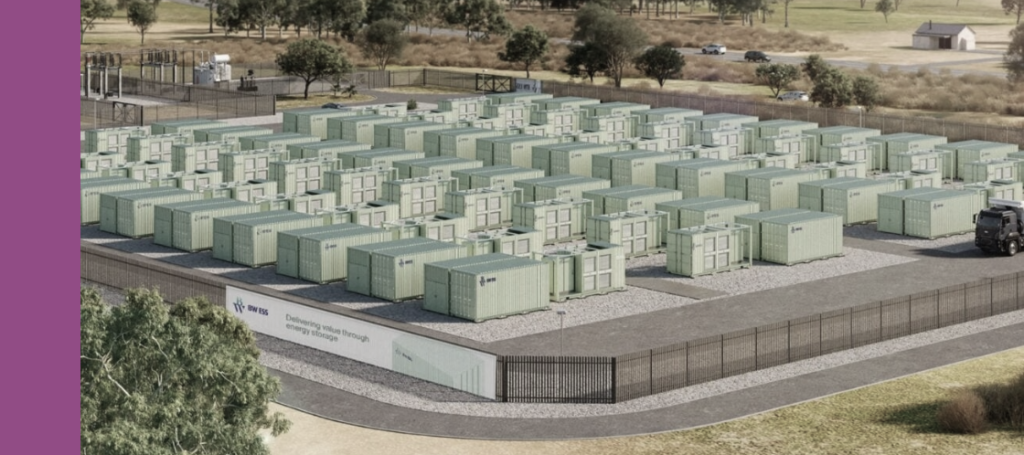
In the electricity sector, increased use of renewables and storage is reducing reliance on gas. Over a four-month period, large-scale batteries cut gas use in the main grid by 8.1 petajoules, roughly equal to the annual consumption of 163,000 Victorian homes.
Wholesale electricity prices also fell by about 30 per cent compared to the previous summer, with households using rooftop solar and batteries achieving bill reductions of up to 90 per cent.
Fossil fuel supply does not shield prices
The report finds that increasing domestic fossil fuel supply would not insulate Australia from international pricing pressures, as local markets remain tied to global prices.
Australia has used around 90 per cent of its conventional crude oil reserves, and remaining supply would not meet national demand for a full year. At the same time, the country exports about 80 per cent of its gas production.
Despite increased gas output, domestic prices have risen sharply. Since east coast gas exports began, prices have nearly quadrupled, even as demand has declined by around 10 per cent. The report characterises further reliance on coal, oil and gas as costly and unlikely to improve energy security outcomes.
Budget choices and long-term cost impacts
The report positions the upcoming federal budget as a point where policy settings could influence long-term exposure to fuel volatility.
Short-term measures such as fuel excise reductions and emergency stock releases are described as temporary relief that do not address underlying reliance on imported fuels. Instead, the report outlines policy approaches aimed at reducing exposure over time, including increasing uptake of electric vehicles and alternative transport, supporting electrified homes and businesses, expanding renewable generation and storage, and shifting industrial energy use away from imported diesel.
Implications for NSW businesses
For New South Wales businesses, particularly those in freight, construction and regional supply chains, the report’s findings point to cost pressures tied directly to fuel exposure.
Higher diesel prices are already flowing through to transport and logistics costs, with potential impacts on project delivery, materials pricing and operating margins.
At the same time, the report indicates that businesses adopting electrification, onsite solar or battery storage are beginning to reduce exposure to these cost swings, suggesting that decisions made in the current budget cycle will influence how exposed NSW businesses remain to future global fuel disruptions.