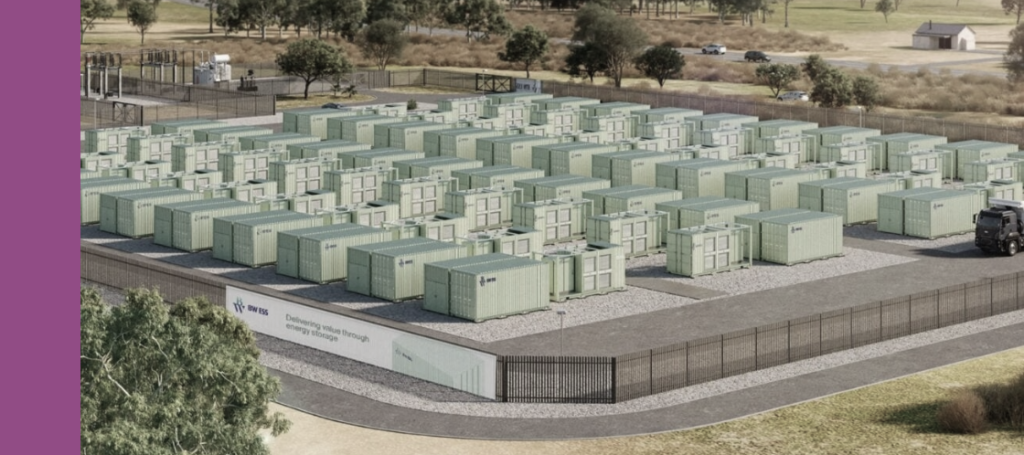
AGL has reached a final investment decision on its Tomago Battery Project—a large-scale battery energy storage system (BESS) that will be built in the Hunter Region. Designed to store and supply electricity during peak demand periods, the battery will have a power capacity of 500 megawatts and store up to 2,000 megawatt-hours of energy, with a planned operating life of 20 years.
Construction is expected to start in October 2025 at the Tomago Industrial Estate, near the Pacific Highway. The site will employ around 200 people during the construction phase and create six ongoing full-time roles once the battery is operational in 2027.
BESS like the one at Tomago are built to store electricity generated during times of low demand—often from renewable sources like solar or wind—and release it when the grid needs support. This helps maintain a stable supply of electricity and allows greater use of renewable energy, which is variable by nature.
The Tomago Battery is expected to cost about $815 million to build. AGL has appointed Fluence as the contractor to deliver the engineering, procurement, and construction. The project will be funded through AGL’s existing financial resources, including green loans and operating cash flow.
Local engagement is part of the project’s planning. AGL is working with the Port Stephens Council, Worimi Local Aboriginal Land Council, residents, and business owners. Local and First Nations-owned businesses are being invited to express interest in taking part in the construction stage.
The battery at Tomago will add to AGL’s expanding fleet of storage assets, which includes existing batteries at Torrens Island and Broken Hill. Another large battery, located at the former Liddell Power Station site, is due to begin operating in early 2026.
The project forms part of AGL’s broader transition away from coal and gas generation. While it still operates a mixed portfolio including fossil fuel assets, AGL is increasing its focus on renewables and flexible storage technologies to support a lower-emissions energy system.
The company has plans for a further 900 MW of grid-scale battery capacity in the pipeline, as it aims to increase its use of firming assets that can respond quickly to changes in electricity demand.