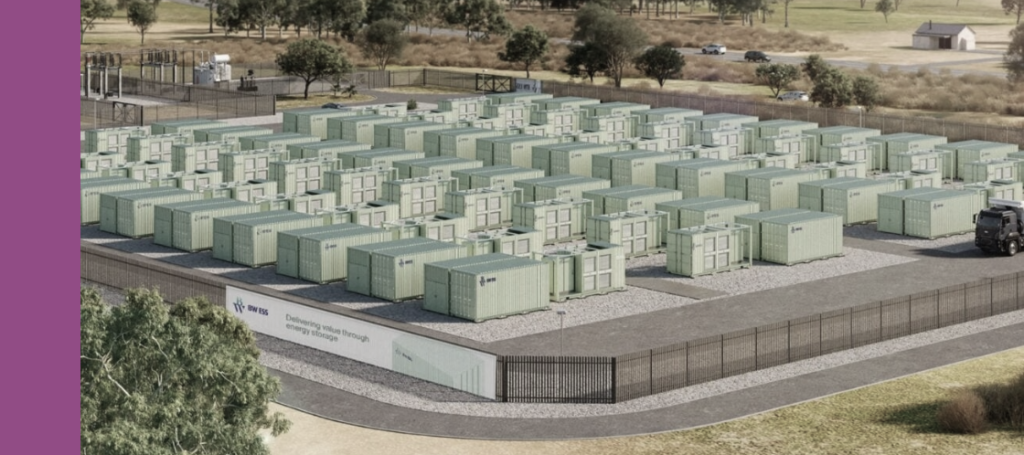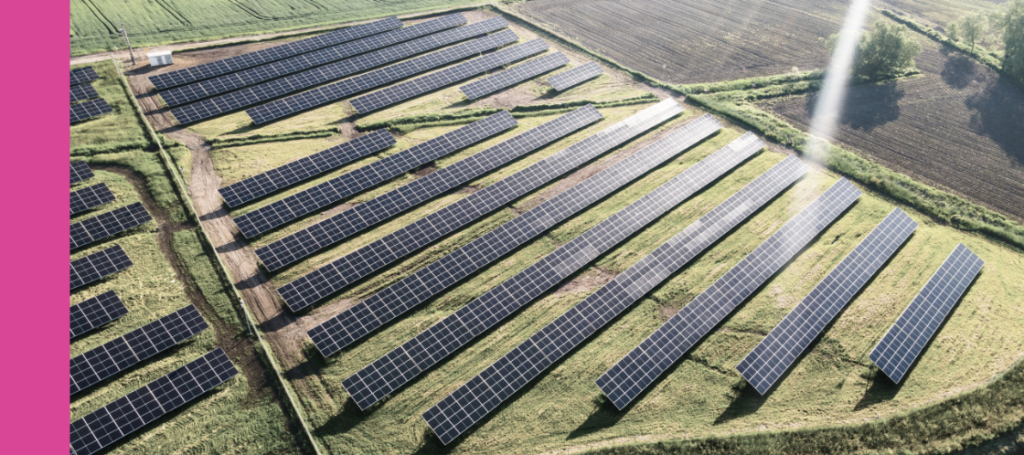
The NSW Government has introduced legislation aimed at accelerating the delivery of renewable energy infrastructure, as part of preparations for the gradual closure of coal-fired power stations.
The proposed Energy Legislation Amendment (Prioritising Renewable Energy) Bill 2026 would give the Energy Minister the authority to identify projects of highest priority within the planning pipeline. These projects would then be subject to a streamlined approvals process.
The changes are intended to apply across generation, storage and network developments, with the stated aim of supporting electricity supply for households, large industrial users and broader economic activity.
Minister for Climate Change and Energy Penny Sharpe said the reforms are designed to maintain energy supply while supporting industry.
“The Minns Labor Government is committed to ensuring reliable, affordable energy for our heavy industries like the Tomago aluminium smelter, and to power economic growth across the state.”
Environmental and community requirements retained
The proposed legislation does not remove existing planning, environmental or consultation requirements. Developers will still be required to meet all applicable obligations before projects can proceed.
To be considered for priority status, projects will need to demonstrate best practice in engagement with landholders and host communities, particularly in regional areas.
The Bill also supports the continued rollout of the NSW Benefit-Sharing Guideline, which is intended to ensure communities hosting renewable energy infrastructure receive direct benefits. Since its introduction in November 2024, more than $180 million has been committed to local communities, alongside additional funds linked to Renewable Energy Zones coordinated by EnergyCo.
Planning system adjustments continue
The legislation builds on earlier changes to the planning system. Since 2023, assessment timeframes for renewable energy projects have been reduced by close to one-fifth, while approvals have increased by half over the same period.
Minister for Planning and Public Spaces Paul Scully said further adjustments are intended to improve how projects move through the system.
“These reforms will also make sure critical projects are not being delayed by objections from people thousands of kilometres away who will never be impacted by them – NSW locals should and will have the loudest voice.”
Additional reforms are being developed to refine how projects are referred to the Independent Planning Commission, with the stated aim of maintaining community input while reducing delays for projects considered essential to the state’s energy supply.
Renewable share grows as system transitions
Renewable energy currently accounts for around 36 per cent of NSW’s annual electricity supply. During recent summer periods, the share exceeded 80 per cent at times, reflecting increased capacity and favourable conditions.
The proposed legislation is intended to accelerate further development of infrastructure needed to generate, store and transmit electricity as the energy system changes.
As coal-fired generation continues to exit the grid, the pace at which new infrastructure can be approved and delivered will shape how reliably energy can be supplied to large industrial users and emerging sectors across regions including the Hunter.