City of Newcastle Council is set to add a network of battery storage systems across its facilities after securing $5 million in Federal Government funding for a project centred on the city’s existing solar generation assets.
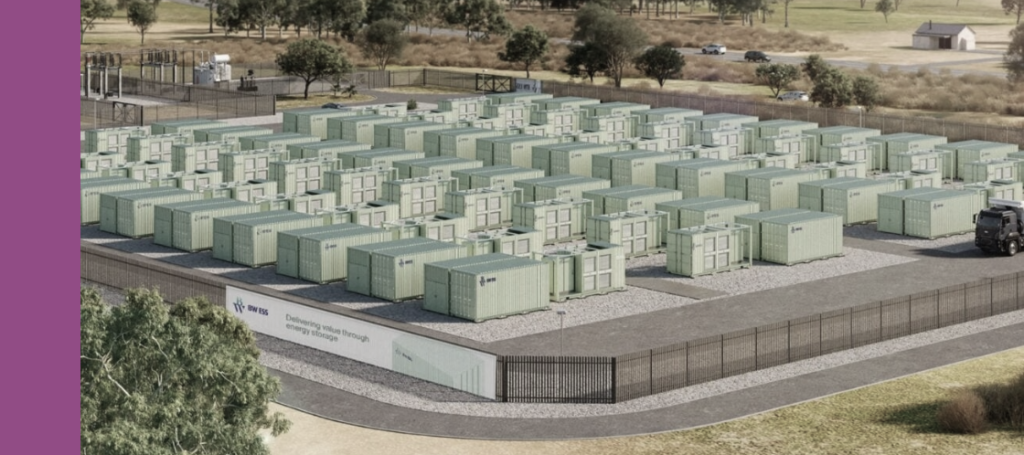
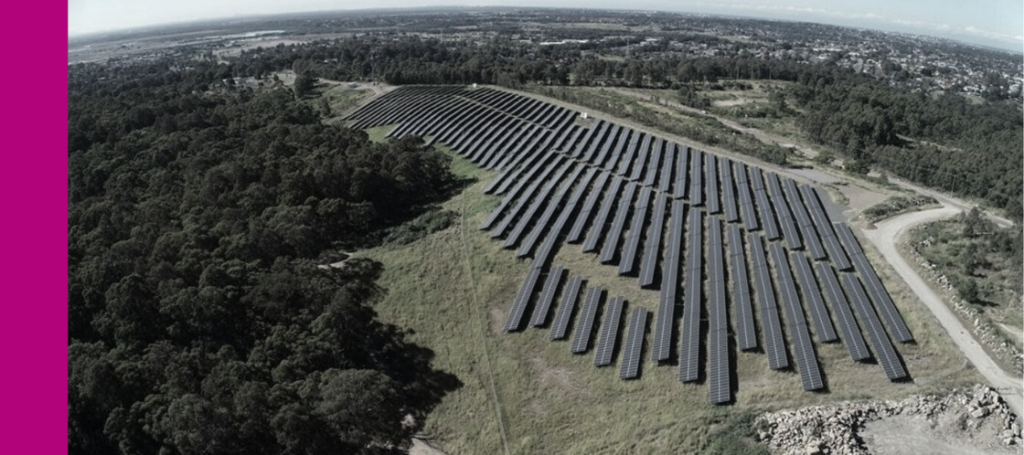
The project will deliver 12 Battery Energy Storage Systems with a combined capacity of 13.8 megawatt hours, including a 10 MWh battery at the existing 5 MW solar farm at Summerhill Waste Management Centre and a further 11 batteries providing 3.8 MWh of storage across council-owned facilities. The batteries are planned for sites including sportsgrounds, community centres, libraries and swimming pools.
The initiative has a total value of $11.99 million, including $5 million from the Australian Renewable Energy Agency (ARENA) through last year’s Community Batteries Round 2 program under ARENA’s Advancing Renewables Program. The remaining funding will be provided by the City of Newcastle.
Moving from generation to storage
While Newcastle has invested heavily in solar infrastructure over recent years, the project is focused on making greater use of the electricity already being generated.
Battery systems will store excess solar energy produced during the day and make it available during periods of higher demand. According to City of Newcastle, this is intended to improve local electricity network performance while reducing electricity costs associated with operating public facilities.
Federal Environment and Water Minister Murray Watt said the battery network would allow electricity generated at Summerhill to be used more effectively across council operations.
“Building a battery here, as we will be doing with the City of Newcastle, means that that excess power that’s generated at this solar farm can be stored in these batteries and then ploughed into use in those city facilities like theatres, pools, libraries and childcare centres.”
The battery at Summerhill will operate alongside batteries installed at council facilities across the city, creating a distributed storage network rather than relying on a single site.
Linking community facilities through energy storage
The project is expected to support a range of council assets, including cultural venues, sporting facilities and community infrastructure.
Lord Mayor Gavin Morris said the approach would allow energy generated during quieter periods to be stored and used later when facilities require additional power.
Using the Civic Theatre as an example, Morris said electricity could be stored when the venue is not operating and drawn upon when performances are underway. Similar arrangements are planned for museums, galleries, libraries and swimming pools.
Council said the project is intended to help manage operating costs by reducing reliance on externally supplied electricity during periods when demand and prices are higher.
Knowledge sharing built into the project
Alongside the physical infrastructure, the project includes development of a practical knowledge-sharing program aimed at helping other councils and large organisations considering similar battery initiatives.
Morris said Newcastle intends to make the lessons learned through the project available to others.
“The exciting part of this project is that we’re going to actually share the knowledge that we acquire in the coming years and we’ll be helping other councils right throughout our community here in the Hunter, but right throughout Australia because we plan on spearheading the movement towards renewable energy.”
The knowledge-sharing component forms part of the broader project scope and is intended to support wider adoption of community-scale battery systems.
Planning underway with installations from 2027
City of Newcastle said the project is currently in the early planning phase and will run over approximately two and a half years between 2026 and 2028.
An Expression of Interest for the design and delivery of the Summerhill battery closes at the end of June, with battery installations expected to commence progressively across project sites from 2027.
Further details regarding construction schedules and site-specific works are expected to be released as planning progresses.
The battery network is also expected to contribute to Newcastle’s target of achieving net zero emissions across council infrastructure by 2030 by increasing the proportion of renewable energy used to power council operations and public facilities.