A proposed solar farm in the Hunter has emerged among the NSW projects selected under the Australian Government’s latest Capacity Investment Scheme (CIS) tender, which approved more renewable energy generation than originally planned.
Tender 7, announced on 23 May, selected 19 projects across New South Wales, Queensland, Tasmania, Victoria and South Australia, delivering a combined 7.8 gigawatts of renewable generation. The result exceeded the original 5 GW target.
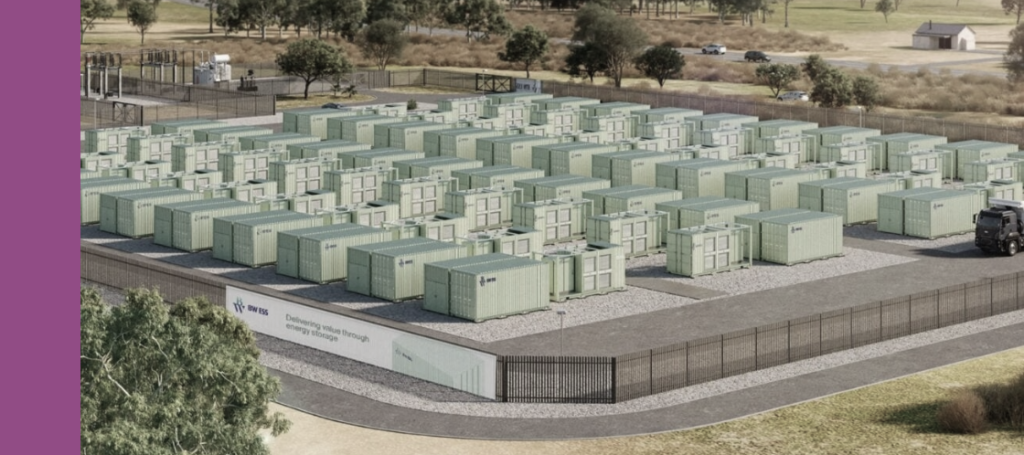
Of the successful projects, eight combine wind or solar generation with battery storage, adding more than 7.9 gigawatt hours of storage to the National Electricity Market.
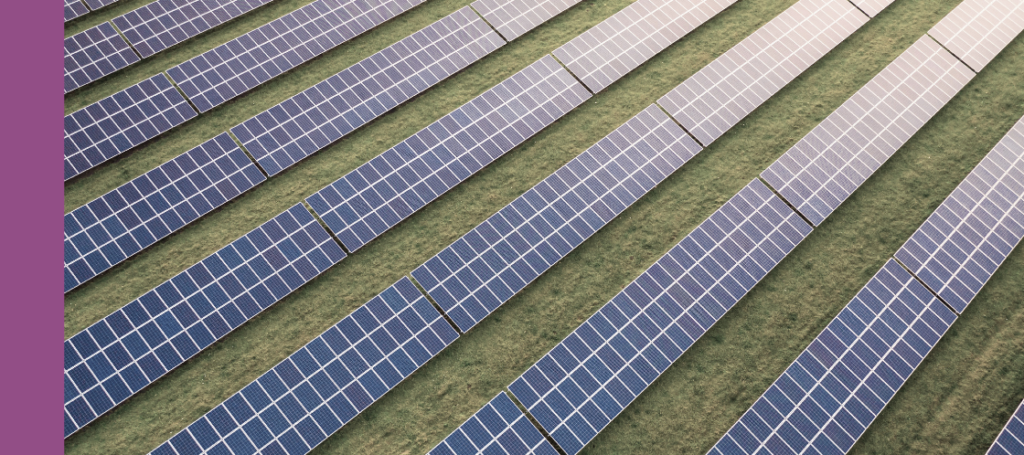
In NSW, nine projects were selected, including the proposed Kayuga Solar Farm and Battery Energy Storage System in the Muswellbrook local government area.
Hunter-Central Coast REZ project moves forward
The Kayuga Solar Farm and BESS, being developed by Dawn in partnership with European Energy, sits within the Hunter-Central Coast Renewable Energy Zone and is planned to connect into existing transmission infrastructure.
The project has a proposed solar capacity of 85 MW and an indicative footprint of about 270 hectares, with access from the New England Highway. Project material states the site is considered suitable for construction because of its topography and the absence of major flooding, bushfire and Aboriginal heritage constraints.
The development is classified as State Significant Development under the NSW Environmental Planning and Assessment Act 1979, meaning the NSW Government will oversee planning approvals.
A scoping report is expected to be prepared as part of the process, identifying environmental and social matters to be assessed before the environmental assessment requirements are issued.
Project information indicates the development is expected to power between 25,000 homes, with a community fund commitment of $650,000 and estimated emissions reductions of 400,000 tonnes each year.
More projects than expected selected
The latest CIS outcome includes a mix of solar, wind and hybrid developments, with projects spread across multiple renewable energy regions.
The Australian Government said the selected projects are expected to produce enough electricity for more than four million households connected to the National Electricity Market and support more than 19,000 construction jobs, along with more than 1,500 operational and maintenance jobs over the life of the projects. Developers have also made commitments relating to local communities, First Nations participation and Australian-made materials.
Minister for Climate Change and Energy Chris Bowen said the program was intended to support investment in generation and storage while reducing pressure on electricity prices.
“The Capacity Investment Scheme is delivering what Australia needs: more cheap, clean energy, more jobs and more investment in our regions.”
He said the projects would help “keep the lights on, put downward pressure on power prices and cut emissions with the cheapest form of new energy, backed by storage.”
What comes next for proponents
The announcement comes ahead of the opening of Tender 9 today, which is seeking an indicative 5 GW of renewable generation capacity. Bids are due to close on 20 July 2026.
From Tender 9, projects committing to equity or revenue-sharing agreements of at least five per cent with First Nations communities will be eligible for a dedicated allocation within the process.