The Australian Government has opened a consultation seeking industry input on the future of domestic manufacturing for wind towers and transmission infrastructure, with feedback to inform policy development and funding priorities under the Future Made in Australia umbrella.
Businesses across the renewable energy manufacturing supply chain are being encouraged to provide submissions on current capabilities, market conditions, investment barriers and workforce requirements. The consultation closes on 6 March 2026.
Input gathered through the process will contribute to the Renewable Energy Technology Manufacturing stream of the Future Made in Australia Innovation Fund and help guide government decisions on how local manufacturing firms, workers and communities can participate in the construction of renewable energy infrastructure.
Focus on steel demand and infrastructure pipeline
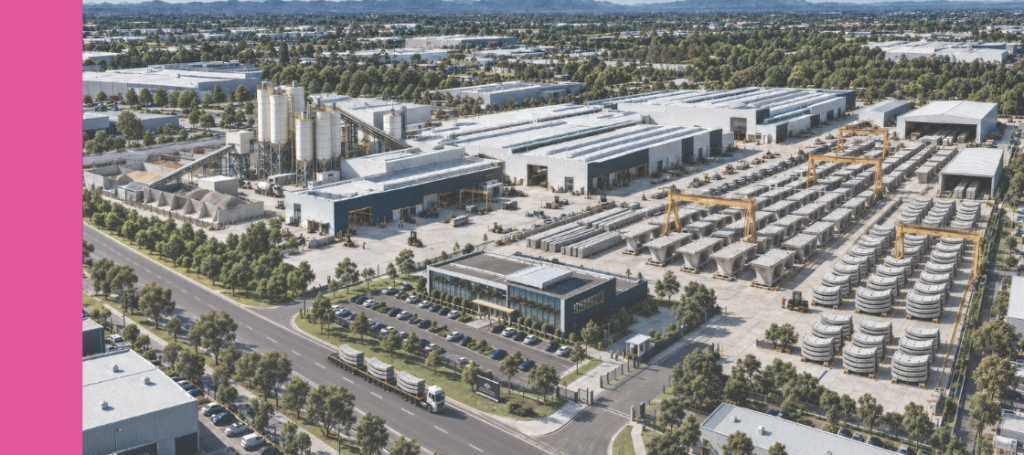
Wind towers and transmission structures require large volumes of fabricated steel, and the consultation is examining how predictable long-term project pipelines could support domestic manufacturing investment. Government material notes that Australia currently imports all wind tower sections and most transmission tower components, while local firms largely produce smaller elements such as anchor cages and fasteners.
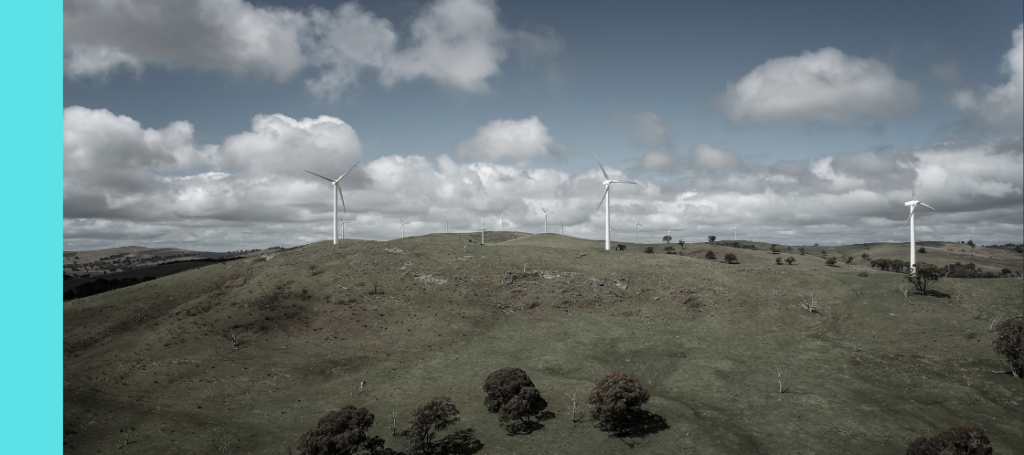
Forecast energy system planning indicates growing demand for both wind generation and associated transmission assets, which could create sustained requirements for steel fabrication, engineering services and supporting logistics across regional manufacturing centres.
Industry capability, barriers and investment conditions
The consultation is structured around four themes: the future outlook for wind and transmission manufacturing, domestic capability and supply-chain participation, economic resilience, and the role of government policy. Stakeholders are being asked to identify regulatory, workforce, infrastructure and financing factors that influence competitiveness, along with risks affecting project delivery such as logistics constraints, skills availability and market volatility.
Feedback will also examine the level of capital investment required for manufacturing expansion, the role of local content requirements, and how policy settings could support long-term private investment without ongoing government assistance.
Regional industry and workforce implications
Government statements note that expanding domestic fabrication capacity could support regional industrial activity and manufacturing employment while improving supply-chain resilience for renewable infrastructure delivery. Submissions are being sought from businesses of all sizes, including steel manufacturers, metal fabricators, engineering firms and other suppliers involved in wind and transmission projects.
“By leveraging the massive wave of renewable energy investment, we have a once in a generational opportunity to support Australian manufacturing,” Minister for Industry and Innovation Tim Ayres said.
How consultation outcomes will be used
Information gathered through the process will inform future policy development aimed at strengthening domestic renewable energy manufacturing capability, including measures related to industry competitiveness, workforce development and supply-chain resilience. Government agencies will use the submissions to help shape funding priorities and program design under the Future Made in Australia framework.
“The global shift to clean energy is the biggest economic transformations since the Industrial Revolution – and it’s an enormous economic and jobs opportunity for Australia,” Minister for Climate Change and Energy Chris Bowen said.