The former Macquarie Coal Complex at Teralba has emerged as the preferred location for a new train manufacturing facility that could support hundreds of jobs and provide opportunities for Hunter manufacturers and suppliers over the coming decades.
Announced on 20 October, the decision follows preliminary assessments of the Glencore-owned Teralba site and NSW Government-owned land at Broadmeadow.
According to the government, Teralba offers a larger and more flexible site capable of accommodating train manufacturing, assembly, commissioning and on-site dynamic testing, with room for future expansion.
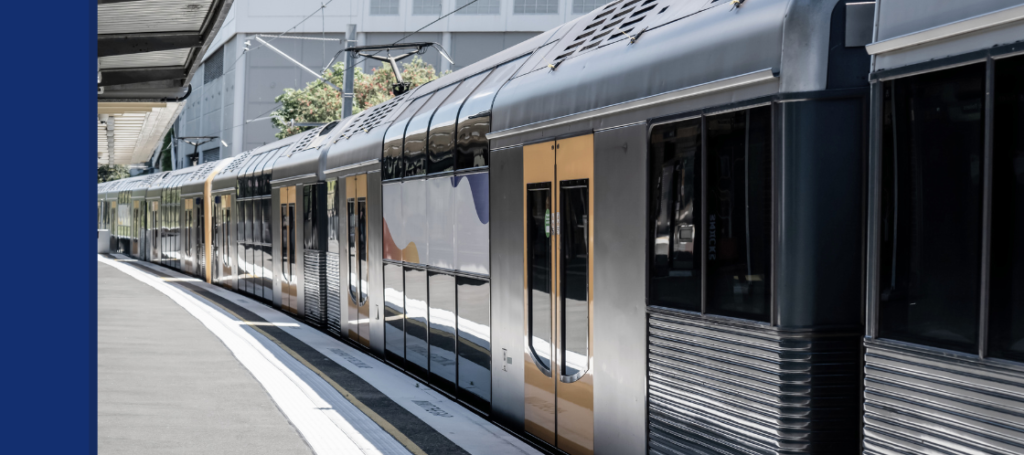
The facility forms part of the NSW Government’s $12 billion Future Fleet Program, which is expected to support up to 780 jobs during construction and approximately 550 ongoing jobs across the facility and its supply chains.
The government will now undertake detailed site investigations and due diligence with Glencore to progress planning, design and procurement. Broadmeadow remains an alternative while investigations and land acquisition arrangements continue.
“The Teralba site is in a great location, has enough space for manufacturing and testing, the potential to become a bigger industrial hub and would make great use of a former mine site,” Minister for Transport John Graham said.
“This is about building the next generation of trains in NSW, creating skilled jobs in the Hunter and securing the manufacturing capability our transport network will need for decades to come.”
“The Hunter has the industrial heritage, skilled workforce and supply chain strengths to help make this facility a success and deliver lasting benefits for the region.”
Part of a wider transformation of former mining land
The proposed facility would sit within the Macquarie Coal Complex Transformation Precinct, a separate government-led initiative examining future uses for approximately 1,160 hectares of former mining land across Teralba, Killingworth, Wakefield and Barnsley.
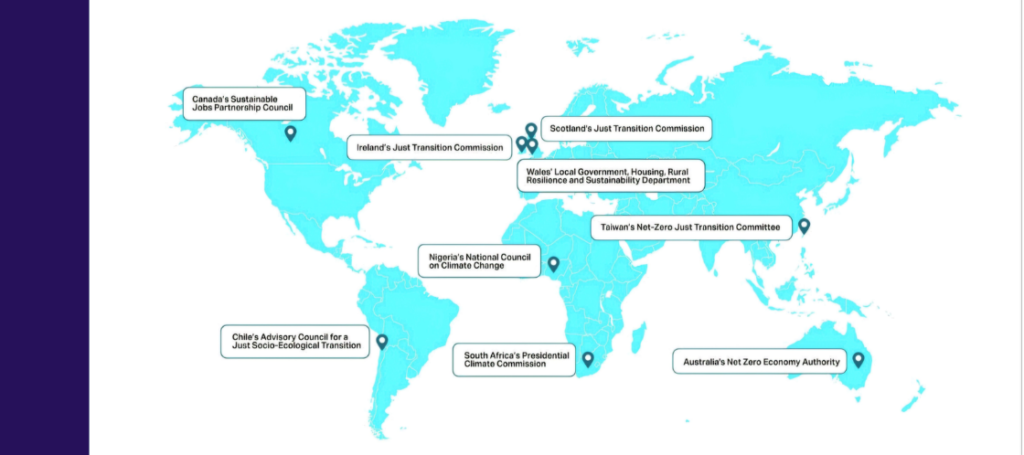
The NSW Department of Planning, Housing and Infrastructure has worked with Lake Macquarie City Council, Glencore and the Australian Government’s Net Zero Economy Authority (NZEA) to prepare a master plan and rezoning proposal for the precinct.
The initiative follows a NSW Government commitment in July 2025 to undertake a pilot project demonstrating how former mining land could be converted to alternative uses supporting employment and regional economic activity.
The NZEA allocated $2.5 million to Lake Macquarie City Council for the master planning process, with in-kind support from the NSW Government.
Under the rezoning proposal exhibited between 14 July and 11 August 2026, the precinct could provide at least 500 hectares of developable land and support up to 1,130 new jobs.
The planning documents identify potential future industries including general manufacturing, logistics, circular economy activities, renewable energy generation and storage, and advanced technology.
Different parts of the former mining complex have been identified for different potential uses. Cockle Creek is proposed for industrial, manufacturing and freight-related activities, while Killingworth could accommodate light industry, energy-intensive operations and technology businesses.
The master plan also identifies opportunities for recreation, tourism and approximately 36 hectares of new open space.
The precinct is progressing through the NSW Government’s State Significant Rezoning process, with feedback from the public exhibition to inform the final proposal.
Glencore remains responsible for its existing mine rehabilitation obligations, which are not replaced by the proposed rezoning.
Opportunities for Hunter manufacturers and suppliers
The Teralba announcement follows the opening of expressions of interest in September for manufacturing firms to design and build NSW’s next fleet of suburban passenger trains.
The EOI closes on 10 November 2026, providing an immediate opportunity for manufacturers interested in participating in the Future Fleet Program.
The program is intended to establish a pipeline of train manufacturing extending over more than 30 years, beginning with the replacement of Sydney’s ageing Tangara fleet.
The first replacement trains are expected to enter service in the early to mid-2030s, followed by replacement programs for the Millennium and OSCAR fleets in the 2040s and the Waratah fleet in the 2050s.
The NSW Government has committed to a minimum 50 per cent local content requirement for rolling stock contracts, applying to Australian and New Zealand industry participation. International manufacturers can participate but must meet the government’s local manufacturing requirements.
Beyond the principal manufacturing contract, Transport for NSW has identified opportunities for businesses involved in component supply, engineering and design, technology and systems integration, construction, maintenance and support services.
Hunter businesses can register their interest through the Transport for NSW Industry Engagement Portal and the Future Fleet Program listing on ICN Gateway, which also provides registration for upcoming Meet the Supplier events.
The manufacturing EOI is available through NSW Government procurement.
Work is already underway to develop rail manufacturing skills through the Tangara Life Extension Program at Cardiff and Sydney, employing 100 new qualified workers and 20 apprentices.
“Bringing train manufacturing back to the Hunter is a crucial part of the Minns Labor Government’s plan to rebuild domestic manufacturing in NSW,” Minister for Domestic Manufacturing and Government Procurement Courtney Houssos said.
“We are backing local manufacturing because it creates secure, skilled jobs and delivers long-term economic benefits for NSW.”
“We know that for every job in manufacturing, a further three and a half are created in the supply chain, and we want more of those jobs in NSW.”
Planning and delivery
While Teralba has been identified as the preferred location, the proposed manufacturing facility remains subject to further investigations, planning and land acquisition arrangements.
Construction timeframes and delivery dates for the facility have not yet been confirmed.
The wider Macquarie Coal Complex Transformation Precinct is also progressing through its planning process, with implementation of the master plan intended to occur in stages over several decades.