Australian manufacturers and energy producers can now apply for emissions certification across a wider range of industrial products, following an expansion of the Australian Government’s Product Guarantee of Origin (PGO) scheme.
The Clean Energy Regulator announced the changes on 12 October, extending eligibility beyond hydrogen produced through electrolysis to include aluminium, iron ore, additional hydrogen production methods, biogas and biomethane.
The expansion is relevant to Hunter industries, particularly aluminium manufacturing and businesses involved in developing alternative fuels and energy technologies.
Under the scheme, eligible producers can create certificates documenting where and how products are made and their emissions intensity. Registered businesses involved in transporting, storing or consuming those products can also contribute information, subject to the scheme’s requirements.
The certificates provide a standardised way for businesses to substantiate claims about their products’ origins and emissions, including information that may be relevant to customers and supply-chain partners.
New opportunities for industrial producers
The expanded scheme now covers hydrogen produced through gas reforming and solid gasification or pyrolysis, in addition to the existing electrolysis pathway.
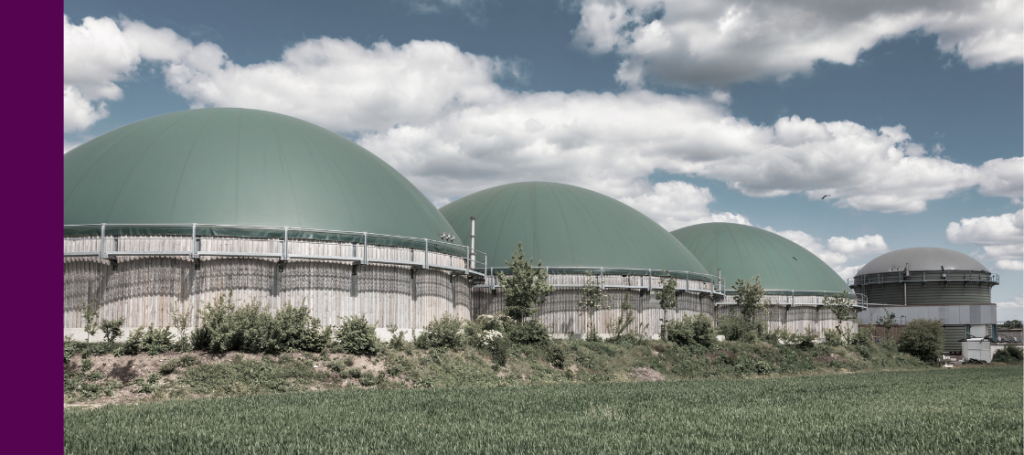
Biogas produced through anaerobic digestion and biomethane produced by upgrading biogas are also eligible, alongside aluminium smelting and iron ore extraction.
For the Hunter, the addition of aluminium is particularly relevant.
Tomago Aluminium operates Australia’s largest aluminium smelter and is one of the region’s major industrial employers and electricity consumers.
In August, Tomago Aluminium announced a 10-year electricity supply agreement with the Australian and NSW governments, covering the period from 2028 to 2038.
The company also committed to investing $1.1 billion in its operations, including $100 million for decarbonisation initiatives and demand-response capability.
The inclusion of aluminium in the PGO provides a potential certification pathway for eligible producers seeking to document the emissions associated with their manufacturing processes.
However, the expansion does not mean aluminium produced at Tomago has been certified under the scheme, and there has been no announcement that the company has applied to participate.
Demonstrating emissions across the supply chain
The Product Guarantee of Origin forms part of the Australian Government’s Future Made in Australia framework and is administered by the Clean Energy Regulator.
The scheme allows businesses to document a product’s origin, production process and emissions intensity, with information added as the product moves through its supply chain.
Once registered, eligible producers can apply for approval to create certificates for batches of products they manufacture.
Businesses involved in delivery or consumption can apply for separate profiles, allowing them to contribute information to certificates with the production-profile holder’s authorisation.
According to the regulator, participants must provide accurate, auditable information about emissions, energy use and production volumes, as well as comply with reporting and other legislative requirements.
Businesses must first enrol as registered persons before applying for the relevant production, delivery or consumption profiles.
The initial registration fee is $490. The regulator has also announced a temporary waiver of additional participation fees until July 2027, with further charges applying once its cost-recovery arrangements commence.
Participation is voluntary, and eligibility for the scheme does not automatically mean a product has been certified as low emissions. Certificates document emissions information against the relevant methodology, rather than guaranteeing that every eligible product meets a particular environmental performance standard.
More products expected to become eligible
The Australian Government intends to expand the PGO to additional products as the scheme develops.
Products identified for possible future inclusion include low-carbon liquid fuels, other green metals such as iron, steel and alumina, and hydrogen derivatives including ammonia.
These products are not covered by the current expansion.
Their proposed inclusion could extend the scheme’s relevance to other manufacturers, energy producers and industrial supply chains, including businesses working to develop alternative fuels and lower-emissions production processes.
Free information session for NSW businesses
The Clean Energy Regulator will hold a series of free Future Made in Australia Product Guarantee of Origin information sessions during November to explain the scheme and participation requirements.
The Sydney event on Thursday 5 November will bring together government representatives, industry participants and advisory organisations to discuss emerging low-emissions markets and the role of product certification.
The program will cover hydrogen, renewable fuels, biomethane and green metals, including how certificates can be used to document where products are made, their production methods and emissions intensity.
Attendees will also learn about eligibility requirements and the potential benefits of participation for businesses seeking to supply lower-emissions products.
Registration is free, but places are limited. Registrations close at 5pm AEST on Monday 19 October 2026.