Renewable energy supplied 42.7 per cent of Australia’s electricity in 2025, up from 39 per cent in 2024, according to the Clean Energy Council’s Clean Energy Australia 2026 report. In the final quarter of 2025, clean energy generated more electricity than fossil fuels for the first time in Australia’s history, helping ease wholesale electricity prices.
The report describes 2025 as a record year for renewable energy deployment, with 5.9 gigawatts of new renewable generation commissioned across large-scale wind, utility-scale solar and rooftop solar. That represented a 28.5 per cent increase on the previous year and added new supply to the national electricity system.
At the same time, reliability concerns around coal-fired power persisted. During the 2025-26 summer period, coal generation recorded 90 unscheduled outages, with an average of 25 per cent of coal capacity unavailable at any given time, according to the Clean Energy Council. The report says growing electricity demand from industries including data centres is adding further pressure to the energy system.
Batteries become a bigger part of the system
Battery storage recorded some of the strongest growth in the sector during 2025. More than 268,000 home batteries were installed during the year, a 260 per cent increase on 2024, while more than 4.3 million Australian households now have rooftop solar.
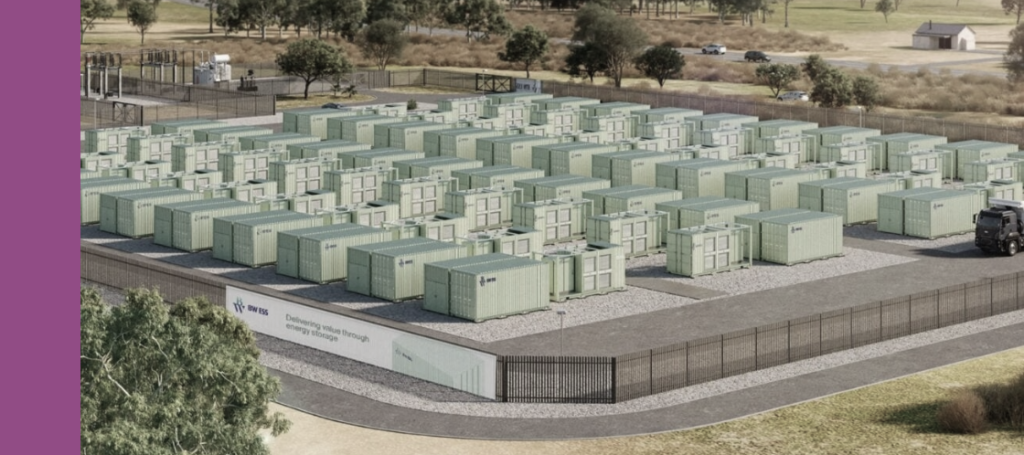
Large-scale battery projects also expanded rapidly. A record 4.3 gigawatts of battery capacity worth $4.8 billion reached financial commitment in 2025, up 10 per cent on the previous year, while 2 gigawatts of new battery capacity was commissioned, more than triple the volume added in 2024. Australia is now ranked the world’s third-largest market for utility-scale battery storage behind China and the United States. Utility-scale battery costs also fell by 20 per cent through the year.
“2025 was a year of new records. More renewable energy, more batteries, more households generating their own power,” Clean Energy Council Chief Executive Jackie Trad said.
Investment in new wind and solar falls
Despite strong growth in renewable generation and storage, investment in new large-scale renewable generation weakened. The report found only 2.3 gigawatts of new utility-scale solar and onshore wind projects reached financial commitment in 2025, down 46 per cent compared with the previous year. Onshore wind commitments fell 59 per cent, while utility-scale solar commitments dropped 29 per cent.
The Clean Energy Council said barriers including grid connection delays, planning bottlenecks, curtailment and gaps between policy settings and project economics are slowing investment, despite private capital remaining available for new projects. The organisation is calling for changes including faster approvals, clearer transmission connection timelines, improved market settings and better integration of rooftop solar and battery systems.
“The clean energy transition is not a future ambition. Failure to deliver new electricity supply now will make our energy security more vulnerable over time,” Ms Trad said.
For NSW, where coal-fired generation still provides a large share of electricity and renewable energy zones, transmission projects and storage developments are still being rolled out, the report points to growing pressure to bring replacement generation online before more ageing coal assets become less reliable or retire.