Business Hunter will host an Economic Update Breakfast on Friday, 24 April, bringing together industry and policy voices to discuss the Hunter’s economic outlook and long-term transition.
The session will focus on newly released Regional Economic Transition Analysis prepared by Oxford Economics for the Net Zero Economy Authority (NZEA), offering an evidence-based view of how the region may evolve over the next 25 years.
Attendees will hear from speakers including Louise Rose from KPMG, Emily Dabbs from Oxford Economics, and a representative from the NZEA, with discussion centred on transition scenarios, workforce pathways and investment priorities.
The event is a practical forum allowing for business leaders to engage with the implications of the transition and consider how the region’s economy may change over time.
Industrial capability driving the transition
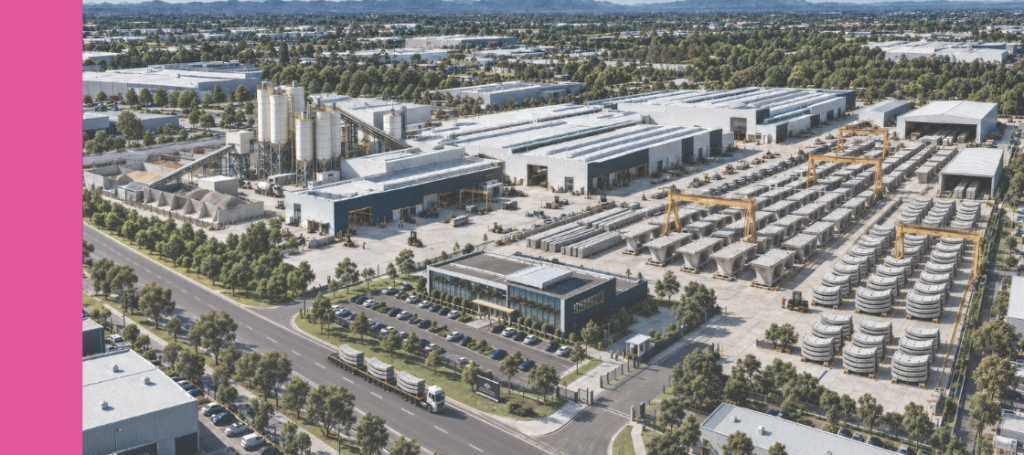
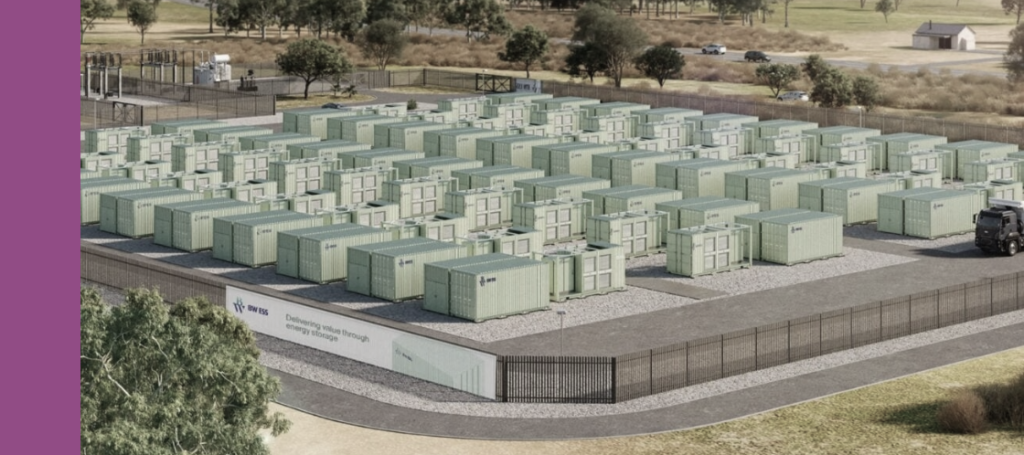
The NZEA-commissioned analysis identifies the Hunter’s established industrial base as central to its transition, with opportunities linked to heavy industry, ammonia production and renewable energy.
According to the research, the region is well placed to develop industries such as green hydrogen, green ammonia and energy-intensive industrial decarbonisation, alongside emerging areas including circular economy manufacturing, green metals and defence manufacturing.
These sectors build on existing infrastructure, including ports, freight networks and industrial facilities, as well as a workforce with strong engineering and trade capabilities.
The analysis notes that these foundations provide a pathway for attracting investment and supporting job creation, particularly where new industries can leverage existing supply chains and technical expertise.
Workforce transition and growth outlook
The report indicates that the Hunter’s workforce is expected to grow under all modelled transition scenarios, with increases ranging from 17 per cent to 38 per cent over the next 25 years.
This growth is expected to coincide with a shift in employment composition. While industrial and construction roles are projected to decline as a share of total employment, demand is expected to increase in public and professional services, including engineering, research and technical fields.
The region’s existing workforce, including around 15,600 workers currently employed in fossil fuel industries, is identified as a key asset. Many of these workers have vocational training and skills that can transfer into emerging industries, particularly in engineering, trades and plant operations.
Training and education providers, including TAFE NSW and the University of Newcastle, are expected to play a role in supporting reskilling where required.
Transition analysis as one input to planning
The NZEA states that the regional analysis is based on publicly available data and represents a point-in-time assessment of potential opportunities and transition pathways.
It forms part of a broader body of work, alongside stakeholder engagement, additional studies and consultation across government levels, to build an understanding of how priority regions such as the Hunter may evolve.
The upcoming Business Hunter event provides a forum to examine these findings in detail and consider how businesses can respond to the region’s changing economic and energy landscape.