The Australian Energy Market Operator’s December 2025 Connections Scorecard shows the pipeline of new generation and storage projects seeking to connect to the National Electricity Market reached 64 gigawatts, an increase of 7.4 gigawatts, or 14 per cent, compared with the September quarter.
AEMO tracks projects as they move through the connections process, from initial application through to commissioning and full output. According to AEMO, the December quarter recorded activity across every stage of this process, including rising new applications and projects advancing into operation.
AEMO Onboarding & Connections Group Manager Margarida Pimentel said the quarter reflected progress across the pipeline.
“These results highlight both the maturity of the pipeline and the sector’s increasing capability to deliver,” Ms Pimentel said.
She also noted that new applications increased during the quarter, rising from 20 gigawatts to 26 gigawatts.
Approvals, registrations and commissioning progress
During the December quarter, AEMO approved 3.8 gigawatts of connection applications across 18 projects. A further 1.9 gigawatts of plant across 10 projects was registered and connected to the NEM, allowing those projects to move into the final stages of commissioning and operational readiness.
Beyond approvals and registrations, 1.8 gigawatts of new generation and storage capacity progressed through commissioning to reach full output and join the NEM during the quarter.
“Reaching 1.8 GW of new plant at full output this quarter is a significant achievement and underlines the collaborative effort between project proponents, network service providers and AEMO in progressing new infrastructure safely and efficiently,” Ms Pimentel said.
Projects reaching full output
The 1.8 gigawatts of capacity that reached full output during the quarter comprised nine projects.
These included two solar farms — the 350 megawatt Culcairn Solar Farm (NSW) and the 120 megawatt Munna Creek Solar Farm (QLD) — alongside seven battery projects: the Melbourne Renewable Energy Hub in Victoria (600 megawatts), Tarong BESS in QLD (300 megawatts), Brendale BESS in QLD (205 megawatts), Templers BESS in SA (111 megawatts) and Smithfield BESS in NSW (65 megawatts).
Together, these projects moved from commissioning into full operational status within the National Electricity Market during the December quarter.
What the pipeline is made of
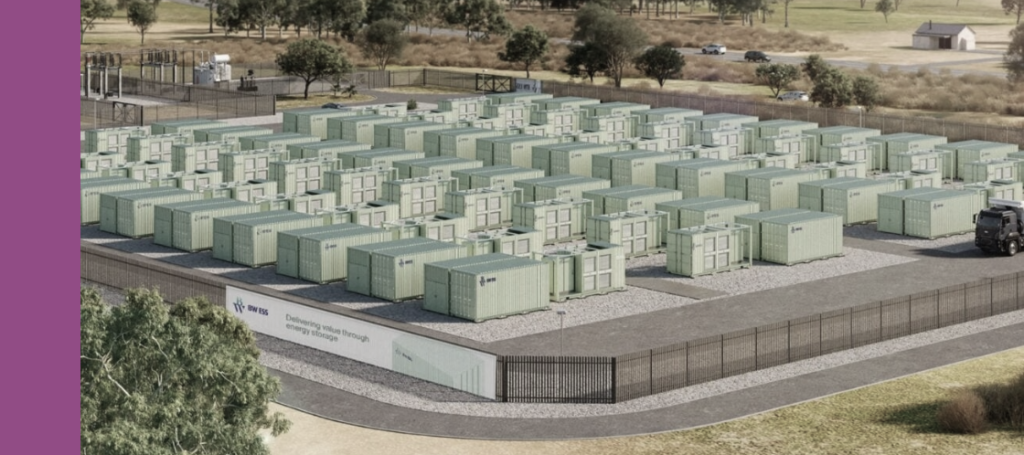
Battery storage continues to account for the largest share of the 64-gigawatt connections pipeline, representing 46 per cent of projects tracked by AEMO. Hybrid solar and battery projects make up 19.7 per cent, followed by wind at 16 per cent, solar at 11.9 per cent, hydro at 4.7 per cent and gas at 1.4 per cent.
According to Ms Pimentel, the growth in battery projects reflects their role in supporting the power system as more renewable generation connects.
“The growth in battery storage will complement renewable generation by storing low-cost, low-emissions electricity during the day for release to support demand during the evening peak,” she said.