The New South Wales Upper House has released its first report on the effect of Renewable Energy Zones (REZs) on rural and regional areas, with a focus on the Central-West Orana (CWO) zone.
Portfolio Committee No. 4 – Regional NSW found that many people in the Central-West Orana region believe the REZ has harmed their community. Concerns raised include pressure on housing, local services and councils, and a lack of consistent planning.
The committee also reported that consultation between the state government, developers and residents has been inadequate. This has, according to the findings, created stress for community members, affected mental health, and reduced trust in renewable energy operators.
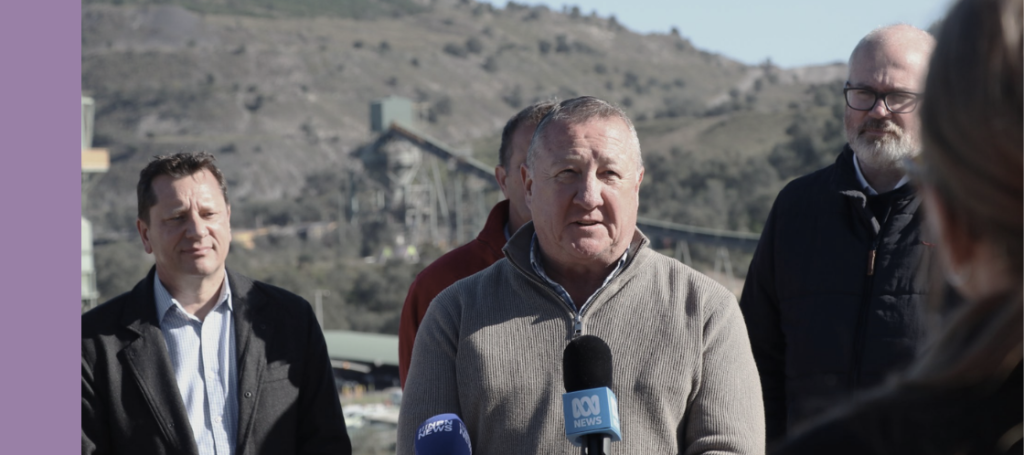
Committee chair, the Hon Mark Banasiak MLC, said: “It is clear from the evidence put to the committee that there is frustration and angst in the CWO community about the growing size and scale of the REZ.”
The report recommends an independent cumulative impact study of the CWO zone, with action taken to address any problems identified. It also calls for EnergyCo to provide mental health support to affected landowners, and for a review of how social impact assessments are conducted, including how intangible effects such as noise, dust, and loss of social cohesion are measured.
Other recommendations include investigating tax treatment of payments made to landowners for land acquisition, and encouraging developers to contribute to ecological protection and restoration in REZ areas.
While the report includes a recommendation for an urgent impact study, Mr Banasiak expressed dissatisfaction that it did not go further: “While one of the recommendations called for an urgent cumulative impact study on the CWO REZ and ensure identified impacts are addressed, I am disappointed that this did not go far enough to make sure that the real and pressing concerns raised by the CWO community are properly addressed.”
“Instead, I called for an urgent moratorium on further renewable energy projects in the CWO REZ until an independent cumulative impact study on the region is complete and any identified impacts have been addressed,” Banasiak added.
The committee heard that 31 renewable energy projects have lodged planning applications in the CWO zone, though not all may proceed. Ongoing uncertainty about approvals has been described as adding to local concerns.
The inquiry, which began in July 2024, has so far received 153 submissions and held hearings in Sydney, Dubbo and Armidale. Site visits were also undertaken to properties and renewable energy developments in the affected areas.
Mr Banasiak thanked landholders and residents who contributed evidence and hosted visits. He said the final report, due later this year, would also examine the impact of other REZs, including in the New England region.