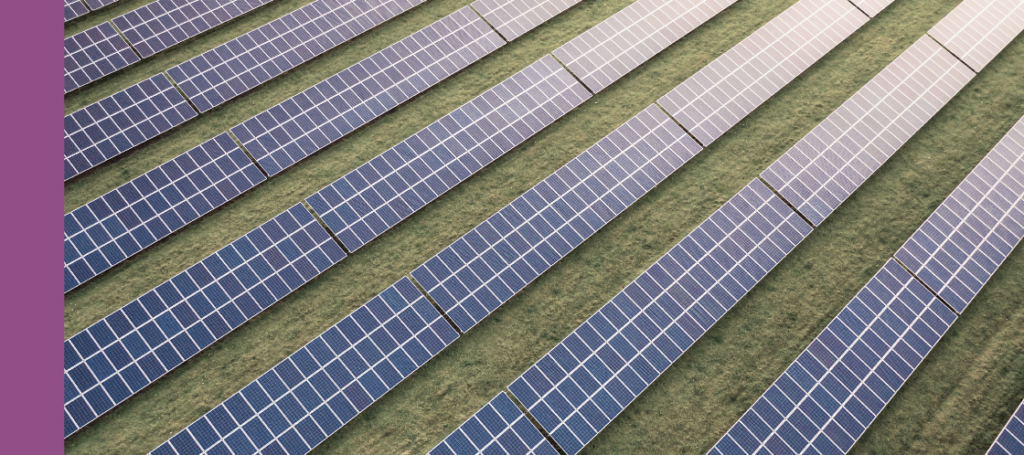
Data centre operator AirTrunk and renewable energy developer European Energy Australia have signed an exclusivity agreement to progress solar, wind and battery developments in the Hunter, with the proposed projects intended to help meet the electricity requirements of AirTrunk’s planned Kurri Kurri data centre.
Announced on 12 November 2026, the agreement covers a proposed 260 MW solar project, a wind project of up to 350 MW and a battery energy storage project with at least 800 MWh of storage capacity.
The developments would be located within the Hunter–Central Coast Renewable Energy Zone (REZ), with European Energy planning to connect them to Ausgrids‘s upgraded 132 kilovolt electricity network.
The companies are progressing project development and discussing a potential long-term power purchase agreement to support AirTrunk’s electricity requirements across NSW, including its proposed data centre at Loxford, near Kurri Kurri.
The solar and battery projects are targeted to begin operating in 2030, followed by the wind project in 2032. These timeframes remain subject to development, technical assessments, connection arrangements and planning approvals.
Renewable energy for a changing industrial site
The announcement connects proposed investment in Hunter renewable energy generation and storage with plans to redevelop the former Kurri Kurri aluminium smelter site.
AirTrunk is proposing to establish a data centre campus on the former industrial land at Hart Road, Loxford. The project is progressing through the NSW planning process.
The company’s electricity requirements are an important consideration for the proposed development, particularly as data centres place growing demands on electricity networks.
AirTrunk says the Hunter renewable energy projects form part of its approach to securing additional electricity supply alongside the expansion of its data centre operations.
AirTrunk founder and CEO Robin Khuda said, “Digital growth must bring new energy with it.”
The Australian Government has set expectations for new data centres to secure additional clean energy generation or storage to offset their electricity demand. NSW guidelines also expect operators to fund the additional energy supply and infrastructure required by their developments.
AirTrunk has acknowledged that the proposed Hunter projects alone would not meet all its requirements, with additional renewable generation and firming capacity needed to support Kurri Kurri and its wider NSW operations.
Connecting projects through the Hunter–Central Coast REZ
The proposed projects would connect to electricity infrastructure being upgraded as part of the Hunter–Central Coast REZ.
EnergyCo has commissioned Ausgrid to deliver network upgrades between Kurri Kurri and Muswellbrook, providing an additional 1 GW of renewable energy transfer capacity by 2028.
The project includes upgrades to approximately 85 kilometres of existing electricity lines, new substations and communications infrastructure.
The first stage of the network project was completed in May 2026, with EnergyCo stating that it will deliver 350 MW of additional capacity for renewable energy connections.
The infrastructure is intended to support renewable generation and storage developments across the Hunter as the region’s electricity system changes and existing industries pursue decarbonisation.
European Energy Australia Managing Director Catriona McLeod said, “partnerships like this allow us to bring more renewables online”.
Building on an existing renewable energy partnership
The proposed Hunter developments build on an existing relationship between AirTrunk and European Energy Australia.
The companies have also worked together on the 31 MW Mulwala Solar Farm in southern NSW, which officially opened in November 2026 and is supplying renewable electricity to the NSW grid.
AirTrunk has committed to matching 100 per cent of its electricity use with renewable energy by 2030. The company reported that approximately 73 per cent of its electricity consumption across its portfolio was matched with renewable energy in the 2026 financial year.
While the Hunter agreement establishes a basis for further project development, the proposed solar, wind and battery facilities remain subject to approvals and final commercial arrangements. A long-term power purchase agreement has not yet been finalised.