Clare Larkin-Sykes, Co-Lead of New.E, will attend the World Economic Forum’s First Movers Coalition and Greenhouse APAC Green Iron Workshop in Adelaide on 20–21 August. The event will focus on how the Asia-Pacific region, including industrial areas such as the Hunter, can play an early role in green iron.
The workshop is hosted by the World Economic Forum through its First Movers Coalition, co-hosted with Greenhouse, and supported by Boundless Earth, in collaboration with the Transitioning Industrial Clusters initiative and GAEA (Giving to Amplify Earth Action).
Green iron — made using renewable energy and hydrogen rather than coal — is shaping up as a key pathway for cutting emissions in steelmaking. The Federal Government’s $1 billion Green Iron Investment Fund, announced earlier this year, is aimed at early projects across the country. At least $500 million of that funding is open to regions like the Hunter, providing an entry point for local businesses to explore their role in supply chains.
For the Hunter, this means opportunities not only for heavy industry but also for local contractors and service providers across construction, maintenance, energy, logistics, and technology. With existing port facilities, energy infrastructure, and a skilled workforce, the region has foundations that could be adapted to support green iron production and export.
“This workshop will bring together stakeholders from across the region and around the world to accelerate clean industrial exports, unlock investment, and strengthen sustainable trade pathways,” Ms Larkin-Sykes said.
Over two days, participants will focus on policies, technologies, and financing models needed to make low-emissions steel viable at scale. By 2030, First Movers Coalition members are expected to represent $19 billion in annual demand for emerging climate technologies, including commitments to buy near-zero emissions steel.
The Adelaide gathering follows earlier Green Iron Summits in Perth and Gladstone, which examined project pathways and regional challenges. For the Hunter, the outcomes from these discussions may help guide how local industries can prepare to connect into a national network of clean industry projects.
“I’m looking forward to collaborating and learning with global partners, and sharing insights from the workshop, as the Hunter builds the roadmap for a new energy future,” Ms Larkin-Sykes said.
What is green iron and why does it matter for the Hunter?
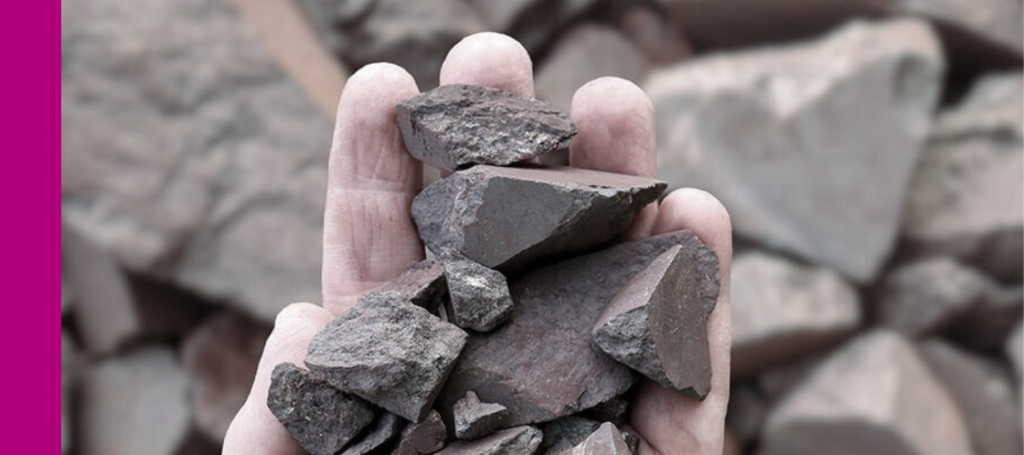
Green iron is iron produced without coal. Renewable energy and hydrogen replace fossil fuels in the process, cutting emissions from one of the world’s most carbon-intensive industries.
For the Hunter, involvement in green iron could:
- Create local work in construction, fabrication, and supply chains
- Open new export markets for processed materials
- Make use of the region’s ports, rail, and energy networks in new ways
- Link renewable energy and hydrogen projects to local heavy industry demand
As Australia shapes its role in the global market, the Hunter’s ability to adapt existing assets and workforce skills will influence how much of this opportunity can be captured locally.