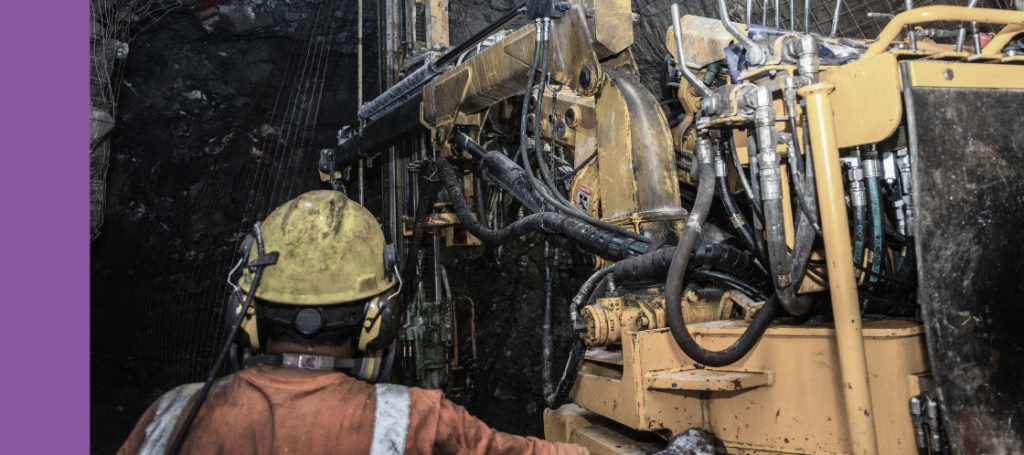
The Hunter is home to almost 14,000 coal mining workers, with around three-quarters employed as machinery operators and drivers or technicians and trades workers, according to a workforce audit released by the NSW Government.
The Skills Audit for the NSW Coal Mining Sector, released on Thursday, examines the workforce across seven Hunter local government areas, providing information about workers’ occupations, qualifications, incomes, ages and where they live.
The findings will inform the work of the newly legislated Future Jobs and Investment Authority, which is intended to support industry investment, workforce development and employment opportunities as coal-producing regions prepare for economic change.
A skilled workforce with strong local ties
The audit identifies 13,960 direct coal mining jobs across Upper Hunter Shire, Muswellbrook, Singleton, Cessnock, Maitland, Newcastle and Lake Macquarie.
The Hunter accounts for almost 64 per cent of the coal mining workforce examined across NSW’s four coal-producing regions. In the 2025–26 financial year, the region had 19 active coal mines, with coal mining contributing an estimated $44.6 billion in economic output.
Machinery operators and drivers account for 44.2 per cent of the Hunter coal workforce, while technicians and trades workers make up another 31.1 per cent.
More than half of workers, or 54.7 per cent, hold certificate-level qualifications, while 40.8 per cent are aged 45 or older.
The workforce also has strong connections to the region, with 92.8 per cent of Hunter coal workers living within the seven local government areas covered by the audit.
These findings provide information for businesses, training providers and government agencies considering the workforce capabilities available to support future industries in the Hunter.
Wages present a challenge for industry transition
One of the findings is the difference between coal mining wages and those in other Hunter industries.
According to the audit, 66 per cent of Hunter coal workers earn at least $2,000 a week, compared with 15.8 per cent of workers in other industries across the region.
The report identifies this income difference as a potential barrier to workers moving into other sectors, even where their experience and qualifications may be relevant.
MEU Northern Mining and NSW Energy District President Robin Williams said the findings reinforced the importance of maintaining employment conditions as the region develops new industries.
“These aren’t jobs that can easily be replaced. New industries and investment in the Hunter need to deliver secure, well-paid jobs that allow workers and their families to maintain a decent standard of living.”
While the audit identifies the occupations and qualifications of coal workers, it does not assess individual skills or establish which workers could move into particular industries. Instead, the information provides a starting point for more detailed workforce planning.
Connecting Hunter workers with future opportunities
The audit will support the work of the Future Jobs and Investment Authority, established through legislation passed by the NSW Parliament in October 2026.
The Authority is intended to attract investment in new industries, support skills development and employment, and identify opportunities for productive use of former mining land.
Its framework includes local divisions representing NSW’s four coal-producing regions, with the Hunter and Central West divisions to be established first.
The NSW Government says it is contributing $22.5 million annually to the Future Jobs and Investment Fund, which will provide more than $170 million to support employment and economic opportunities across coal-producing regions.
Minister for the Hunter Yasmin Catley said the audit would help inform decisions about future industries and employment in the region.
“The Hunter is home to more than 60 per cent of NSW’s coal workforce. These are skilled workers earning good wages, spending their money locally and supporting businesses across our region.”
The audit will also inform future modelling of workforce availability, taking into account mine development consent expiry dates and applications to extend mining operations.
Further work is planned to examine skills shortages, training needs and potential employment opportunities in other industries. The report identifies the need for more detailed information about workers’ skills and experience to support this work.
The findings are publicly available to local councils, employers, industry organisations, education and training providers and other groups involved in planning for the Hunter’s economic future.