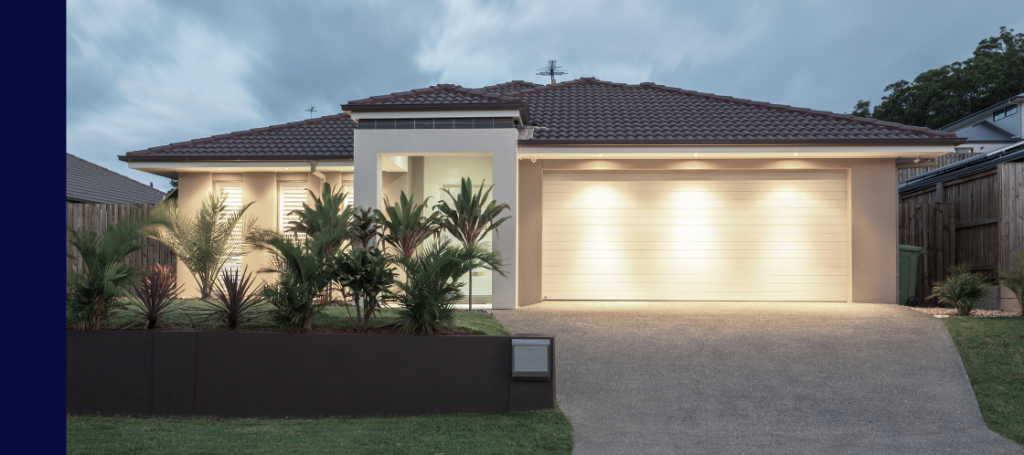
Australia’s shift to home energy storage is accelerating, with more than 100,000 households and small businesses now equipped with batteries through the Commonwealth’s Cheaper Home Batteries program. According to the Albanese Government, these installations provide 2 gigawatt-hours of storage and have increased the nation’s total home battery capacity by more than half in less than four months.
Australian households, businesses and community organisations can now get a discount of around 30% on the upfront cost of installing small-scale battery systems (5 kWh to 100 kWh).
The uptake has largely come from outer suburbs and regional communities such as Western Sydney, Ipswich, Geelong, Lismore, Mount Barker, and Beaudesert. Nearly 1,000 households in the Greenway electorate have already adopted the program.
Battery adoption has been strongest among residents who already use rooftop solar, given Australia’s high solar penetration. The program forms part of broader policy work to support a cleaner, fairer and more reliable energy system.
ARENA funds roll-out of new commercial battery technology
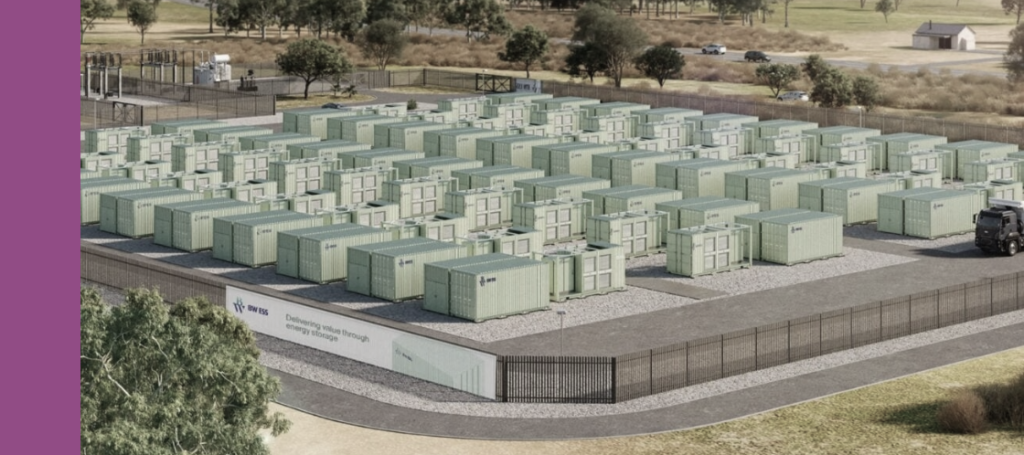
Home storage growth coincides with government support for new Australian battery manufacturing. Through the Australian Renewable Energy Agency, $25 million has been allocated to Relectrify to accelerate deployment of its AC1 battery energy storage system in West Melbourne and other commercial and industrial locations.
The AC1 does not require a separate inverter, instead delivering grid-ready AC power directly from cells. According to government materials, this design aims to reduce costs over the battery’s life and limit degradation. Around 100 MWh of systems will be installed, providing reference sites and operational data. Relectrify will also share performance insights with industry as part of the project.
The company has separately received $2.9 million in matched funding through the Industry Growth Program to advance its cell-level control technology for heavy transport uses, including electric trucks, buses, and mining vehicles.
What this means for the Hunter
Home batteries are gaining a foothold outside metropolitan centres, driven by household economics and policy support. At the same time, ARENA’s backing for Australian technology development offers a pathway for commercial storage products to enter the market at scale.
Taken together, these developments indicate rapid maturation across multiple battery use cases, with direct implications for energy providers, installers, manufacturers, and grid planners in the Hunter and across regional NSW.